

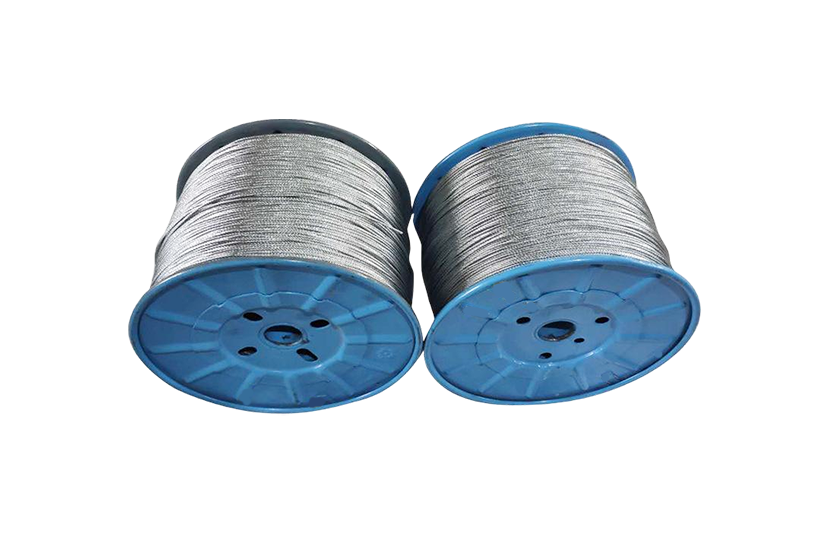
Ang pagkalkula ng lakas ng lubid na alambreng bakal ay isang kritikal na paksa sa inhinyeriya para sa pagbubuhat, pag-rigging, pag-angat, pagmimina, pandagat,
konstruksyon, malayo sa pampang, at mga aplikasyon sa industriya. Ginagamit ng mga inhinyero ang mga kalkulasyon ng lakas ng wire rope upang tantyahin ang ligtas
mga working load, suriin ang lakas ng pagkabali, pumili ng angkop na konstruksyon ng lubid, at bawasan ang panganib ng overload o
maagang pagkasira. Ang wastong paraan ng pagkalkula ng lakas ng lubid na alambreng bakal ay nakakatulong na mapabuti ang kaligtasan, ma-optimize ang gastos, at
sumusuporta sa pagsunod sa mga kinakailangan ng proyekto.
Ang pahinang ito ay nagbibigay ng malinaw, SEO-friendly, at nakatuon sa inhinyeriya na pangkalahatang-ideya ng pagkalkula ng lakas ng lubid na alambre ng bakal.
mga pamamaraan, mga pangunahing kahulugan, mga konsepto ng pormula, mga praktikal na salik, mga talahanayan ng ispesipikasyon, at gabay sa pagpili. Ang
Ang nilalaman ay isinulat para sa pangkalahatang paggamit ng industriya at hindi kasama ang mga rekomendasyon ng kumpanya. Ito ay angkop para sa blog
mga pahina, mga pahina ng kategorya, mga sentro ng nilalamang pang-industriya, at mga pahina ng teknikal na mapagkukunan.
Ang lakas ng lubid na bakal ay tumutukoy sa kakayahan ng isang lubid na alambre na magdala ng karga sa ilalim ng tensyon. Ito ay naiimpluwensyahan ng
materyal ng alambre, diyametro ng lubid, konstruksyon ng hibla, uri ng core, kalidad ng paggawa, pagpapadulas, mga kondisyon ng pagbaluktot,
at paraan ng pagtatapos. Sa praktikal na paggamit sa inhinyeriya, ang lakas ng lubid na alambre ay karaniwang inilalarawan sa pamamagitan ng mga halagang tulad ng
minimum na karga sa pagsira, nominal na lakas ng pagsira, at ligtas na karga sa pagtatrabaho.
Para sa mga inhinyero, ang pinakamahalagang punto ay ang isang lubid na alambreng bakal ay hindi dapat piliin lamang ayon sa diyametro.
Dapat isaalang-alang ng pagkalkula ng lakas ang konstruksyon ng lubid at ang kapaligiran ng aplikasyon. Dalawang lubid na bakal na may
Ang parehong diyametro ay maaaring magkaroon ng magkakaibang lakas ng pagkabali dahil sa mga pagkakaiba sa pattern ng hibla, fill factor, core
disenyo, at grado ng bakal.
Kinakailangan ang pagkalkula ng lakas ng lubid na alambreng bakal dahil ang mga sistema ng lubid na alambre ay nalalantad sa dynamic loading, shock
pagkarga, pagyuko sa mga sheaves, pagkasira, kalawang, pagkapagod, at mga error sa pag-install. Isang maayos na kalkuladong disenyo ng lubid
nagpapabuti ng pagganap at binabawasan ang panganib ng pagkabigo. Gumagamit ang mga inhinyero ng mga paraan ng pagkalkula upang suportahan ang mga plano sa pagbubuhat, mga makina
disenyo, pagpili ng crane, mga sistema ng elevator, kaayusan ng winch, at mga aplikasyon ng suspensyon.
| Termino | Kahulugan | Kaugnayan sa Inhinyeriya |
|---|---|---|
| Minimum na Karga sa Pagbasag (MBL) | Ang pinakamababang karga kung saan inaasahang mabibigo ang isang lubid sa ilalim ng mga karaniwang kondisyon ng pagsubok | Ginamit bilang baseline para sa pagpili at pagkalkula ng safety factor |
| Lakas ng Pagbasag na Nominal | Halaga ng lakas na sanggunian ng tagagawa o pamantayan para sa isang wire rope | Madalas gamitin sa mga katalogo at dokumentasyon ng disenyo |
| Ligtas na Karga sa Paggawa (SWL) | Pinakamataas na karga na pinapayagan sa serbisyo sa ilalim ng tinukoy na mga kondisyon | Mahalaga para sa kaligtasan sa operasyon at pagpaplano ng karga |
| Salik sa Disenyo / Salik sa Kaligtasan | Ratio sa pagitan ng lakas ng pagsira at karga sa pagtatrabaho | Tinutukoy ang pinapayagang karga para sa aplikasyon |
| Diyametro | Panlabas na diyametro ng lubid na alambre | Pangunahing input sa karamihan ng mga pagtatantya ng lakas |
| Konstruksyon | Pagsasaayos ng mga alambre, hibla, at core | Direktang nakakaapekto sa kakayahang umangkop, resistensya sa pagkapagod, at lakas |
| Core | Panloob na elemento ng suporta, tulad ng fiber core o steel core | Nakakaimpluwensya sa lakas, resistensya sa pagdurog, at katatagan ng dimensyon |
Sa pinasimpleng kasanayan sa inhinyeriya, ang pagkalkula ng lakas ng wire rope ay karaniwang nagsisimula sa nominal na pagkabali ng lubid.
lakas at pagkatapos ay naglalapat ng isang design factor upang matukoy ang ligtas na working load. Ang pangkalahatang relasyon ay:
Ligtas na Karga sa Paggawa = Minimum na Karga sa Pagbasag ÷ Salik ng Kaligtasan
Ito ang konseptong pinakamalawak na nauunawaan sa pagkalkula ng lakas ng lubid na alambre ng bakal. Gayunpaman, ang aktwal na disenyo ay dapat ding
isaalang-alang ang kahusayan, mga pagkalugi sa pagbaluktot, mga pagkalugi sa pagtatapos, pagkakalantad sa kapaligiran, at pagkarga na partikular sa aplikasyon.
Dahil dito, ang pormula ay kadalasang panimulang punto lamang.
Ang pamamaraang ito ay gumagamit ng mga nailathalang datos ng lakas ng lubid mula sa mga teknikal na talahanayan. Pinipili ng mga inhinyero ang diyametro at konstruksyon,
pagkatapos ay basahin ang katumbas na minimum breaking load o nominal strength. Ito ang pinakapraktikal at karaniwang ginagamit
pamamaraan para sa pagpili ng industriya dahil ito ay mabilis at maaasahan kapag ang pinagmumulan ng datos ay pare-pareho.
Kabilang sa mga bentahe ng pamamaraang ito ang pagiging simple, pagiging tugma sa mga pamantayan, at madaling paghahambing sa pagitan ng mga uri ng lubid.
Gayunpaman, dapat beripikahin ng mga inhinyero na ang nakalistang lakas ay tumutugma sa nilalayong konstruksyon, grado, at uri ng core.
Tinatantya ng isa pang pamamaraan ang lakas batay sa metalikong cross-sectional area ng lubid at ang tensile strength ng
ang alambreng bakal. Sa konsepto, ang lakas ng lubid ay nauugnay sa:
Lakas ng Pagbasag ≈ Lawak ng Metal × Lakas ng Tensile ng Kawad × Salik ng Kahusayan
Ang salik ng kahusayan ang dahilan kung bakit ang wire rope ay hindi isang solidong bar. Ang mga alambre ay inilalagay sa hugis-helical,
na nagbabawas sa direktang ehe na kahusayan. Ang pamamaraang ito ay kapaki-pakinabang sa mga pag-aaral ng disenyo, mga pagtatantya sa inhenyeriya, at mga sitwasyon
kung saan hindi magagamit ang datos ng katalogo.
Iba't iba ang antas ng kahusayan ng iba't ibang konstruksyon ng lubid. Isang siksik na lubid o isang lubid na may na-optimize na hibla
Ang heometriya ay maaaring maghatid ng mas mataas na lakas kaysa sa isang kumbensyonal na konstruksyon na may parehong diyametro. Madalas na ginagamit ng mga inhinyero ang isang
salik sa konstruksyon batay sa uri ng lubid. Mahalaga ang pamamaraang ito kapag inihahambing ang mga lubid na may magkatulad na diyametro ngunit
iba't ibang panloob na heometriya.
Ang pamamaraang ito ay nagsisimula sa inaasahang pinakamataas na karga ng serbisyo at pagkatapos ay pinararami ito ng kinakailangang salik sa kaligtasan upang
tukuyin ang pinakamababang lakas ng pagsira na kailangan. Karaniwang ginagamit ito sa pagdidisenyo:
Kinakailangang Lakas ng Pagbasag = Pinakamataas na Karga sa Paggawa × Salik ng Kaligtasan
Ito ay isang ginustong pamamaraan para sa mga inhinyero dahil nagsisimula ito sa aktwal na load ng aplikasyon. Nakakatulong ito na matiyak ang
Ang napiling lubid ay may sapat na kapasidad para sa static at dynamic na paggamit.
Ang lubid mismo ay maaaring may mataas na lakas ng pagkabali, ngunit ang pagtatapos ay maaaring makabawas sa epektibong lakas ng sistema.
Ang mga swaged socket, wedge socket, clip, at end termination ay pawang may iba't ibang rating ng kahusayan. Dapat
kalkulahin ang lakas ng sistema ng lubid sa pamamagitan ng pagpaparami ng lakas ng lubid sa kahusayan ng pagtatapos.
Epektibong Lakas ng Sistema = Lakas ng Pagputol ng Lubid × Kahusayan sa Pagtatapos
Ang pamamaraang ito ay mahalaga para sa pagbubuhat ng mga assembly, sling, at mga naka-angkla na sistema ng wire rope.
Ang lakas ng lubid ay hindi lamang natutukoy sa diyametro. Maraming teknikal na salik ang nakakaimpluwensya sa pangwakas na rating ng karga at
dapat palaging isaalang-alang sa mga kalkulasyon sa inhenyeriya.
| Salik | Epekto sa Lakas | Tala sa Inhinyeriya |
|---|---|---|
| Grado ng makunat na alambre | Ang mas mataas na grado ng alambre ay karaniwang nagpapataas ng lakas ng pagkabasag | Ang mga karaniwang grado ay nakakaapekto sa kapasidad ng pagkarga at pag-uugali ng pagkapagod |
| Diyametro ng lubid | Ang mas malaking diyametro ay karaniwang nagpapataas ng lakas | Dapat tumugma sa disenyo ng sheave at drum |
| Uri ng konstruksyon | Ang iba't ibang layout ng strand ay nagbabago ng kahusayan at kakayahang umangkop | Iba ang performance ng 6x19, 6x36, 7x19, at iba pa |
| Uri ng core | Ang bakal na core ay kadalasang nagbibigay ng mas mataas na lakas at resistensya sa pagdurog | Ang fiber core ay maaaring mag-alok ng higit na kakayahang umangkop ngunit mas mababang suporta sa istruktura |
| Paraan ng pagtatapos | Maaaring bawasan ang pangkalahatang lakas ng sistema | Ang mga end fitting ay nangangailangan ng pagsusuri sa kahusayan |
| Proporsyon ng baluktot | Ang maliliit na bigkis ay nagpapataas ng pagkapagod at nagpapababa ng magagamit na buhay | Ang D/d ratio ay isang mahalagang baryabol ng disenyo |
| Kaagnasan | Binabawasan ang cross-sectional area at lakas sa paglipas ng panahon | Ang paggamit sa dagat at panlabas na lugar ay nangangailangan ng proteksyon |
| Pagkasuot at pagkagasgas | Ang mga sirang alambre ay nagpapababa ng aktwal na lakas | Mahalaga ang inspeksyon at pagpaplano ng kapalit |
Ang lubid na bakal ay makukuha sa maraming konstruksyon, at ang konstruksyon ay nakakaapekto sa parehong lakas at pag-uugali.
karaniwang binabalanse ang lakas ng pagkabali, kakayahang umangkop, resistensya sa pagkapagod, resistensya sa pagdurog, at katatagan sa pagpapatakbo.
| Uri ng Konstruksyon | Pangkalahatang Katangian | Karaniwang Paggamit ng Aplikasyon |
|---|---|---|
| 6x7 | Simpleng konstruksyon, medyo matigas, mas mababang kakayahang umangkop | Mga linya ng kontrol, mga aplikasyon na magaan ang tungkulin |
| 6x19 | Balanseng lakas at resistensya sa pagkasira | Pangkalahatang pagbubuhat, pag-hoisting, at pang-industriya na rigging |
| 6x36 | Mas flexible kaysa sa 6x19, pinahusay na performance sa pagkapagod | Mga tambol, kreyn, mga kapaligirang paulit-ulit na nabaluktot |
| 7x19 | Mataas na kakayahang umangkop, maliliit na diyametrong aplikasyon | Mga kable ng kontrol, gamit na may kaugnayan sa abyasyon, mga sistema ng tensyon |
| Pinahigpit na lubid | Pinahusay na pagpuno ng metal at mas mataas na densidad ng lakas | Mataas na kapasidad na pagbubuhat at mga sistemang pang-inhinyeriya na nangangailangan ng matinding pagsisikap |
Madalas gamitin ng mga inhinyero ang pagtatantya batay sa pormula sa mga unang disenyo, lalo na kapag inihahambing ang mga opsyon sa lubid. Ang eksaktong
Ang pormula ay nakadepende sa pamantayan o disenyo ng code na ginamit, ngunit ang mga sumusunod na ugnayang ito ay malawak na kapaki-pakinabang.
| Uri ng Pormula | Pagpapahayag | Layunin |
|---|---|---|
| Pormula ng karga sa pagtatrabaho | SWL = MBL ÷ Salik ng Kaligtasan | Tinutukoy ang pinapayagang karga ng serbisyo |
| Kinakailangang pormula ng lakas | Kinakailangang MBL = Karga × Salik ng Kaligtasan | Nakakatulong sa pagpili ng sapat na lubid |
| Pormula ng lakas ng sistema | Lakas ng Sistema = Lakas ng Lubid × Kahusayan ng Pagtatapos | Mga account para sa mga end fitting at koneksyon |
| Tinatayang pormula ng metal na lawak | Lakas ≈ Lawak × Lakas ng Tensile ng Kawad × Kahusayan | Ginagamit sa pagtatantya ng inhinyeriya |
Ang sumusunod na halimbawa ay nagpapakita ng isang pinasimpleng pamamaraan sa inhenyeriya. Ipagpalagay na ang isang operasyon ng pagbubuhat ay nangangailangan ng pinakamataas na antas ng pagtatrabaho
karga na 2,000 kg. Kung ang kinakailangang design factor ay 5:1, ang minimum breaking load ay dapat na:
2,000 kg × 5 = 10,000 kg minimum na karga sa pagsira
Kung ang kahusayan ng pagtatapos ay 90%, ang sistema ng lubid ay dapat magkaroon ng mas mataas na nominal na lakas upang mabawi ang
pagkalugi:
Kinakailangang lakas ng lubid = 10,000 kg ÷ 0.90 = 11,111 kg
Sa mga totoong proyekto, dapat maingat na i-convert ng mga inhinyero ang mga yunit at beripikahin kung ang karga ay static, dynamic, o shock.
may karga. Para sa pabago-bagong pagbubuhat, maaaring kailanganin ang mas malaking safety margin.
Ang talahanayan sa ibaba ay nagbibigay ng pangkalahatang format ng sanggunian para sa paghahambing ng lakas. Ang mga aktwal na halaga ay nag-iiba ayon sa konstruksyon,
grado, pamantayan, at datos ng tagagawa. Dapat palaging kumpirmahin ng mga inhinyero ang mga pinal na halaga laban sa mga teknikal na dokumento.
| Tinatayang Diyametro | Pangkalahatang Trend ng Lakas | Karaniwang Paggamit |
|---|---|---|
| 2 mm - 4 mm | Magaan na lakas, mataas na kakayahang umangkop sa maliliit na sistema | Kontrol, pag-igting, magaan na mekanikal na paggamit |
| 5 mm - 8 mm | Katamtamang lakas para sa mga compact na aplikasyon sa industriya | Maliliit na hoist, rigging, suporta sa kagamitan |
| 9 mm - 12 mm | Karaniwang lakas sa kalagitnaan ng saklaw para sa pangkalahatang paggamit sa pagbubuhat | Konstruksyon, mga kreyn, mga sistema ng pag-angat |
| 13 milimetro - 16 milimetro | Mas mataas na kapasidad ng pagkarga, angkop para sa mga mahihirap na aplikasyon | Mga sistema ng mabibigat na rigging, pandagat, at pagmimina |
| 18 milimetro - 24 milimetro | Mataas na lakas na hanay ng lubid para sa malalaking kargamento | Malalaking kreyn, malayo sa pampang, mga industriyal na winch |
| 26 mm pataas | Napakataas na kapasidad ng pagkarga na may maingat na mga kinakailangan sa paghawak | Mabigat na pagbubuhat, malalaking istruktura at pang-industriya na sistema |
Upang mapili ang tamang lakas ng lubid na bakal, dapat tukuyin ng mga inhinyero ang pinakamataas na karga, tukuyin ang duty cycle,
tukuyin ang mga kondisyon ng pagbaluktot, piliin ang naaangkop na konstruksyon, at ilapat ang tamang safety factor. Ang lubid
dapat ding tugma sa mga drum, pulley, clamp, socket, at mga kondisyon sa kapaligiran.
Ang safety factor ay isa sa pinakamahalagang konsepto sa pagkalkula ng lakas ng steel wire rope. Ang mas mataas na safety factor
nagbibigay ng higit na proteksyon laban sa labis na karga, pagkabigla, at kawalan ng katiyakan, ngunit maaari rin itong humantong sa mas malaking sukat ng lubid at
mas mataas na gastos. Ang naaangkop na salik ay depende sa aplikasyon.
| Uri ng Aplikasyon | Karaniwang Konsepto ng Salik ng Kaligtasan | Mga Tala |
|---|---|---|
| Pangkalahatang pagbubuhat | Katamtaman hanggang mataas | Depende sa duty cycle at mga lokal na pamantayan |
| Mga sistemang may kaugnayan sa tauhan | Napakataas | Nangangailangan ng mahigpit na pagsunod at espesyal na inhinyero |
| Suportang estatiko | Katamtaman | Mas nahuhulaan ang karga kaysa sa pabago-bagong pagbubuhat |
| Dinamikong pag-angat | Mataas | Dapat isaalang-alang ang shock loading at pagkapagod |
| Marino o malayo sa pampang | Mataas | Ang kalawang at paggalaw ay nagpapataas ng pagiging kumplikado ng disenyo |
Kahit ang mga bihasang inhinyero ay maaaring magkamali sa pagpili ng lubid kung ang landas ng karga at mga kondisyon ng serbisyo ay hindi naaayon.
ganap na nasuri. Ang mga pinakakaraniwang pagkakamali ay nakalista sa ibaba.
Ang teoretikal na lakas at ang totoong lakas ng serbisyo ay hindi pareho. Ang isang lubid na nakakatugon sa paunang espesipikasyon ay maaaring
nawawalan ng magagamit na kapasidad sa paglipas ng panahon dahil sa pinsala o pagkasira. Mahalaga ang regular na inspeksyon para mapanatili ang ligtas na pagpapatakbo
mga kondisyon.
| Aytem ng Inspeksyon | Posibleng Epekto sa Lakas | Aksyon |
|---|---|---|
| Mga sirang alambre | Binabawasan ang epektibong lakas ng lubid | Subaybayan at palitan ayon sa pamantayan |
| Kaagnasan | Pinapahina ang mga alambre at hibla | Pagbutihin ang proteksyon o alisin sa serbisyo |
| Mga kink | Maaaring permanenteng makapinsala sa heometriya ng lubid | Palitan ang lubid kung malubha ang deformasyon |
| Pagpapatag | Nagpapahiwatig ng pagdurog o labis na karga | Siyasatin ang mga kondisyon ng drum at sheave |
| Pagkawala ng diameter ng pagsusuot | Nagpapakita ng pagbawas sa metalikong lawak | Sukatin at ihambing sa mga limitasyon |
Ang teknikal na paksang ito ay may malakas na kaugnayan sa mga high-intent na query sa paghahanap na ginagamit ng mga inhinyero, mamimili, at industriyal
mga espesipikasyon. Kabilang sa mga karaniwang tema ng keyword ang pagkalkula ng lakas ng lubid na alambre ng bakal, pagkarga sa pagkabasag ng lubid na alambre, lubid na alambre
ligtas na karga sa pagtatrabaho, tsart ng diyametro ng wire rope, pormula sa inhinyeriya ng wire rope, kapasidad ng karga ng wire rope, wire rope
kahusayan ng pagtatapos, at salik sa kaligtasan ng wire rope.
Maaaring kabilang sa mga karagdagang kaugnay na parirala ang lakas ng pagbubuhat ng wire rope, pagkalkula ng hoisting rope, tensile cable
lakas, paghahambing ng konstruksyon ng lubid, uri ng core ng lubid, at detalye ng industrial wire rope. Isang pahina na gumagamit ng mga ito
Ang mga pariralang natural, kasama ang mga talahanayan at kahulugan, ay maaaring sumuporta sa visibility ng search engine at kaugnayan sa paksa.
| Tampok | Lubid na Mas Malakas | Balanseng Pangkalahatang-Layunin na Lubid | Nababaluktot na Lubid |
|---|---|---|---|
| Kapasidad ng pagkarga | Napakataas | Katamtaman hanggang mataas | Katamtaman |
| Kakayahang umangkop | Mas mababa hanggang katamtaman | Katamtaman | Mataas |
| Paglaban sa pagkapagod | Nakadepende sa aplikasyon | Balanse | Mahusay sa paulit-ulit na pagbaluktot |
| Karaniwang paggamit | Mga sistemang mabigat ang pagbubuhat at mahirap ang pagbubuhat | Pangkalahatang gamit pang-industriya | Maliliit na tambol at madalas na paggamit ng pagbaluktot |
Ang pagkalkula ng lakas ng lubid na bakal ay isang pangunahing gawain sa inhinyerong pang-industriya. Ang proseso ng pagkalkula
karaniwang nagsisimula sa datos ng lakas ng pagsira, pagkatapos ay isinasama ang safety factor, kahusayan ng terminasyon, konstruksyon
uri, mga kondisyon ng pagbaluktot, at mga impluwensya sa kapaligiran. Para sa tumpak na pagpili, dapat gumamit ang mga inhinyero ng mga teknikal na talahanayan,
mga tuntunin sa disenyo na partikular sa aplikasyon, at maaasahang mga kasanayan sa inspeksyon.
Ang pinakaepektibong paraan ng pagkalkula ng lakas ng lubid na alambreng bakal ay iyong tumutugma sa totoong kondisyon ng pagpapatakbo.
Ang isang mahusay na kalkulasyon ay hindi lamang tungkol sa pinakamataas na karga; ito rin ay tungkol sa tibay, pagkapagod, pagiging tugma, at kaligtasan.
Sa pamamagitan ng pag-unawa sa konstruksyon ng lubid, mga pormula ng lakas, at mga salik ng serbisyo, makakagawa ang mga inhinyero ng mas mahuhusay na desisyon para sa
mga aplikasyon sa pagbubuhat, pag-aangat, pag-rigging, at pag-igting.
Para sa mga teknikal na blog, mga pahina ng direktoryo, at mga pahina ng kategoryang industriyal, isang nakabalangkas na format na may mga heading, talahanayan, at
Ang mga malinaw na tinukoy na keyword ay maaaring mapabuti ang lalim ng paksa at makatulong sa mga search engine na maunawaan ang layunin ng pahina. Kapag
paglalathala ng nilalamang ito sa HTML, panatilihing malinis ang panloob na hierarchy ng heading, gumamit ng naglalarawang alt text para sa anumang mga imahe,
at panatilihin ang natural na pagkakalagay ng keyword para sa pinakamahusay na pagganap sa SEO.
```

 Telepono sa Landline+86-513-85100011
Telepono: +86 13585223056
 E-mail:hangtong@nthangtong.com
vicky@nthangtong.com
 Address: No. 508, Guangxing Road, Baishan Town, Bo'ai County, Jiaozuo City, Henan Province
Copyright © Henan Suxiang Steel Cable Co., Ltd
Gumagamit ang website na ito ng cookies upang matiyak na makukuha mo ang pinakamahusay na karanasan sa aming website.
 English
 Español
 한국어
한국어 العربية
 Tiếng Việt



 Telepono
Magkomento
(0)