

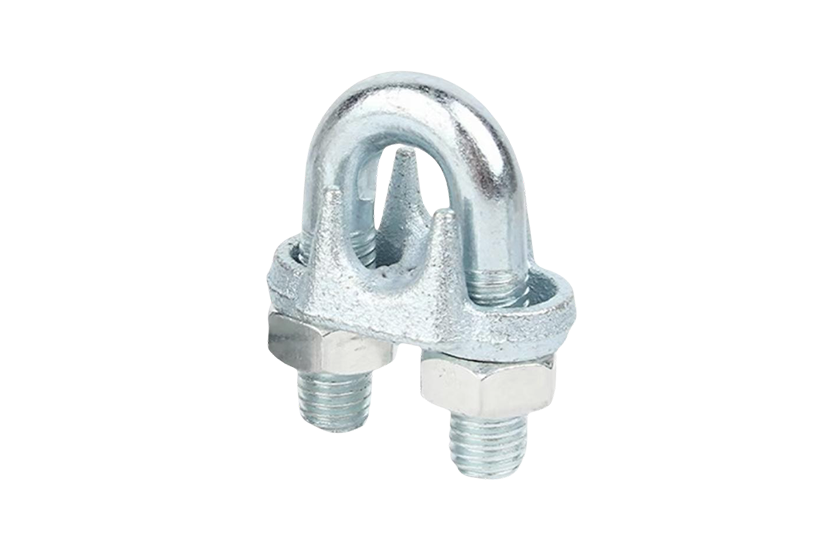
Pagpili ng tama lubid na bakal para sa kagamitan sa daungan ay isa sa pinakamahalagang desisyon sa larangan ng marino
at mga operasyon ng terminal. Ang mga daungan ay umaasa sa mga sistema ng pagbubuhat, pag-angat, paghila, pagduong, at paghawak ng kargamento na dapat gumanap
maaasahan sa ilalim ng mabibigat na karga, malupit na panahon, pag-ambon ng asin, patuloy na paggalaw, at mataas na mga kinakailangan sa kaligtasan. Maling lubid ang ginamit
ang hindi wastong detalye ay maaaring humantong sa mas mabilis na pagkasira, nabawasang pagganap sa pagbubuhat, hindi planadong downtime, at malubhang panganib sa kaligtasan.
Ito Gabay sa Pagpili ng Steel Wire Rope para sa Kagamitan sa Port nagbibigay ng pangkalahatang kaalaman sa industriya para sa mga inhinyero,
mga pangkat ng pagkuha, mga tagapamahala ng pagpapanatili, mga operator ng terminal, at mga mamimili na nangangailangan ng malinaw na pag-unawa sa mga uri ng lubid,
konstruksyon, pagpili ng diyametro, lakas, resistensya sa kalawang, pagganap ng pagkapagod, at pagiging angkop sa aplikasyon. Ito ay
isinulat para sa kakayahang makita ang paghahanap at praktikal na paggamit, na may mga nakabalangkas na seksyon, malinaw na mga kahulugan, at mga talahanayan ng detalye na
maaaring direktang ilagay sa isang website, blog, pahina ng kategorya ng produkto, o pahina ng mapagkukunan ng industriya.
Hindi inirerekomenda ng gabay na ito ang anumang partikular na kumpanya o tatak. Nakatuon lamang ito sa impormasyong pamantayan ng industriya,
pamantayan sa pagpili, mga teknikal na kahulugan, at pangkalahatang mga ispesipikasyon na karaniwang ginagamit sa mga aplikasyon ng kagamitan sa daungan.
Lubid na bakal ay isang nababaluktot na bahagi ng pag-aangat at pag-igting na gawa sa maraming alambreng bakal na pinilipit
mga hibla, na pagkatapos ay inilalagay sa paligid ng isang gitnang core. Sa mga kagamitan sa daungan, ang wire rope ay ginagamit para sa mga crane, ship-to-shore crane,
mga gantry crane, portal crane, hoist, winch, dredging system, mooring system, at makinarya sa paghawak ng kargamento.
Kung ikukumpara sa kadena o sintetikong lubid, ang lubid na bakal ay nag-aalok ng matibay na balanse ng lakas ng tensyon, resistensya sa abrasion,
katatagan ng karga, at tibayIto ay lalong angkop para sa mga kapaligirang daungan kung saan ang kagamitan ay gumagana nang matagal.
mga siklo at dapat humawak ng paulit-ulit na pagkarga, pagbaluktot, at dynamic na stress.
Sa mga operasyon sa daungan, ang pagpili ng wire rope ay dapat isaalang-alang ang:
Ang makinarya sa daungan ay gumagana sa ilalim ng ilan sa mga pinakamahihirap na kondisyon sa industriyal na pagbubuhat. Ang kagamitan ay kadalasang nalalantad sa
paggamit ng high-frequency, shock loading, vibration, at malupit na kapaligirang pandagat. Dapat piliin ang steel wire rope upang suportahan
kapwa kaligtasan at produktibidad.
Ang mga pangunahing bentahe ng paggamit lubid na bakal para sa kagamitan sa daungan isama ang:
| Kalamangan | Paglalarawan | Benepisyo sa mga Aplikasyon sa Daungan |
|---|---|---|
| Mataas na lakas ng tensyon | Sinusuportahan ang malalaking working load nang walang labis na pagpahaba | Mainam para sa mga crane, hoist, at paghawak ng mabibigat na kargamento |
| Magandang resistensya sa pagkapagod | Gumagana nang maayos sa ilalim ng paulit-ulit na mga cycle ng pagbaluktot at pagkarga | Sinusuportahan ang mga operasyon ng daungan na may mataas na tungkulin na may nabawasang panganib ng pagkabigo |
| Paglaban sa abrasion | Lumalaban sa pagkasira mula sa mga drum, sheaves, at sa pagkiskis | Pinapahaba ang buhay ng lubid sa masinsinang kapaligiran sa pagtatrabaho |
| Katatagan ng dimensyon | Pinapanatili ang hugis at pag-uugali ng pagkarga sa ilalim ng stress | Nagpapabuti ng katumpakan at kontrol sa pag-aangat |
| Mga opsyon sa proteksyon laban sa kalawang | Maaaring galvanized, lagyan ng lubrication, o espesyal na pinahiran | Mas mahusay na tibay sa mga kondisyon ng alat at dagat |
| Malawak na hanay ng disenyo | Makukuha sa iba't ibang konstruksyon, diyametro, at grado | Pinapayagan ang pagtutugma ng lubid sa iba't ibang uri ng kagamitan sa daungan |
Ang mga kagamitan sa daungan ay gumagamit ng lubid na bakal sa maraming iba't ibang sistema. Ang pag-unawa sa eksaktong aplikasyon ay mahalaga sa pagpili
ang tamang pagkakagawa at mga detalye ng lubid.
Ang pinakamahusay pagpili ng lubid na bakal para sa kagamitan sa daungan nakadepende sa konstruksyon ng lubid. Iba't ibang konstruksyon
gumaganap nang iba sa lakas, kakayahang umangkop, resistensya sa pagdurog, at haba ng buhay dahil sa pagkapagod.
| Uri ng Lubid | Mga Pangunahing Tampok | Karaniwang Gamit sa Kagamitan sa Daungan |
|---|---|---|
| 6x19 na konstruksyon | Balanseng lakas at resistensya sa abrasion, katamtamang kakayahang umangkop | Mga pangkalahatang gamit na crane at hoist |
| 6x36 na konstruksyon | Mas flexible kaysa sa 6x19, mas mahusay na performance sa pagbaluktot | Mga sistema ng madalas na pagbaluktot, pag-angat ng mas mataas na siklo |
| 8x19 na konstruksyon | Magandang kakayahang umangkop at malakas na pagganap sa pagkapagod | Mga kreyn na may paulit-ulit na paggalaw ng reeving at sheave |
| Lubid na hindi umiikot | Binabawasan ang pag-ikot ng lubid sa ilalim ng bigat, kadalasan ay konstruksyon na may maraming patong | Mga kreyn na pang-hoisting at pang-heavy lifting |
| Pinahigpit na lubid | Ang mga alambre o hibla ay pinagsiksik para sa pinahusay na lakas at resistensya sa pagkasira | Mga high-load port crane at mga aplikasyon ng intensive duty |
| Lubid na galvanized | May zinc coating para sa pinahusay na resistensya sa kalawang | Mga kapaligirang pandagat at baybayin, pagduong, mga kreyn sa labas |
| Lubid na hindi kinakalawang na asero | Napakahusay na resistensya sa kalawang, mas mababang karaniwang paggamit sa mga heavy crane system | Mga espesyal na sistemang pandagat, kontrol at mga pantulong na aplikasyon |
Para piliin ang tama kagamitan sa daungan na lubid na alambre, dapat suriin ng mga mamimili ang pagganap, pagiging tugma, at serbisyo
kapaligiran. Nasa ibaba ang pinakamahalagang teknikal na salik.
Dapat suportahan ng lubid ang kinakailangang karga na may angkop na margin ng kaligtasan. Ang lakas ng pagsira ay ang pinakamataas na puwersa na ginagamit ng lubid.
kayang tumagal bago ang pagkabigo. Ang limitasyon sa working load ay ang operational load na pinapayagan sa ilalim ng ligtas na mga kondisyon. Sa mga port lifting system,
ang lubid ay hindi dapat piliin batay lamang sa lakas ng pagkabali; dapat din itong tumugma sa disenyo ng kagamitan, duty cycle, at
mga kinakailangan sa kaligtasan ng regulasyon.
Ang diyametro ng lubid ay nakakaapekto sa lakas, gawi sa pagbaluktot, kapasidad ng drum, at pagiging tugma sa mga sheaves. Ang mas malaking diyametro ay karaniwang
nagbibigay ng mas mataas na lakas, ngunit maaaring mangailangan ito ng mas malalaking drum at sheaves. Ang eksaktong diyametro ay dapat tumugma sa disenyo ng makina at
orihinal na detalye ng kagamitan hangga't maaari.
Tinutukoy ng konstruksyon ang kakayahang umangkop, resistensya sa pagkapagod, at pagganap ng pagkasira. Ang mga port crane na nagbabaluktot ng lubid sa ibabaw ng mga sheal ay marami
beses bawat araw ay karaniwang nangangailangan ng mas nababaluktot na konstruksyon kaysa sa isang low-cycle na sistema ng pagbubuhat.
Karaniwang gumagamit ang mga wire rope ng isa sa mga sumusunod na uri ng core:
Para sa marami lubid na alambre ng kreyn sa daungan mga aplikasyon, ang IWRC ay karaniwang mas gusto dahil nag-aalok ito ng mas mahusay na istruktura
suporta at tibay sa ilalim ng mabibigat na kondisyon ng serbisyo.
Ang mga wire rope ay gawa sa iba't ibang grado ng bakal. Ang mas matataas na grado ng tensile ay karaniwang nagbibigay ng mas malakas na pagganap at maaaring
binabawasan ang diyametro ng lubid para sa isang partikular na karga, ngunit maaari rin nitong maimpluwensyahan ang kakayahang umangkop at gastos. Ang tamang grado ay depende sa disenyo
mga kinakailangan at pagiging tugma ng kagamitan.
Kabilang sa mga karaniwang pangwakas na ibabaw ang matingkad, yero, at pinahiran na mga opsyon. Para sa mga kagamitan sa daungan na nakalantad sa hanging dagat o direktang
tilamsik ng tubig-dagat, ang lubid na galvanized ay kadalasang pinipili para sa pinahusay na resistensya sa kalawang.
Binabawasan ng lubrication ang internal friction, nakakatulong na maiwasan ang corrosion, at sinusuportahan ang mas mahabang buhay ng serbisyo. May ilang lubid na inihahatid
gamit ang pagpapadulas ng pabrika, habang ang iba ay maaaring mangailangan ng pana-panahong pagpapanatili ng pagpapadulas habang ginagamit.
Ang pagkapagod sa pagbaluktot ay isa sa mga pangunahing sanhi ng pagkasira ng wire rope sa mga sistema ng crane. Kung ang lubid ay dadaan sa ibabaw ng mga sheaves at drums
Kadalasan, mahalaga ang isang konstruksyon na may malakas na pagganap sa pagkapagod.
Sa mga multilayer drum o sistema na may mataas na spooling pressure, kritikal ang resistensya sa pagdurog ng lubid. Mga siksik na lubid at IWRC
Ang mga disenyo ay kadalasang mas mahusay na gumaganap sa mga kondisyong ito.
Ang mga daungan ay lumilikha ng isang mapanghamong kapaligirang kinakaing unti-unti. Ang asin, kahalumigmigan, hamog, at pagkakalantad sa kemikal ay maaaring magpaikli sa buhay ng lubid. Ang kalawang ay
Ang matibay na lubid, regular na pagpapadulas, at wastong pag-iimbak ay pawang nakakatulong na mapabuti ang pangmatagalang pagganap.
Ang sumusunod na talahanayan ay nagpapakita ng mga karaniwang pangkalahatang detalye na ginagamit bilang mga sanggunian sa industriya ng lubid na bakal para sa kagamitan sa daungan.
Ang aktwal na pagpili ay dapat palaging sumunod sa disenyo ng kagamitan at mga kinakailangan sa pagpapatakbo.
| Item na may Espesipikasyon | Karaniwang Saklaw / Opsyon | Tala ng Pagpili |
|---|---|---|
| Diyametro | 8 mm hanggang 60 mm+ | Depende sa kapasidad ng crane at disenyo ng drum/sheave |
| Konstruksyon | 6x19, 6x36, 8x19, hindi umiikot, siksik | Pumili batay sa mga pangangailangan sa pagkapagod, kakayahang umangkop, at lakas |
| Core | FC, IWRC, WSC | Karaniwang ginagamit ang IWRC para sa pagbubuhat ng mabibigat na bagay |
| Tapos na ibabaw | Maliwanag, yero, pinahiran | Mas mainam ang galvanized sa mga kapaligirang pandagat |
| Pagpapadulas | Magaan, katamtaman, mabigat na pagpapadulas mula sa pabrika | Nakakatulong na mabawasan ang pagkasira at kalawang |
| Grado ng tensile | Pangkalahatang pang-industriya hanggang sa mataas na tensile na grado | Pagtugma sa disenyo ng kagamitan at mga kinakailangan sa kaligtasan |
| Direksyon ng paglatag | Kanang ordinaryong lay, kanang lang lay, kaliwang opsyon | Dapat tugma sa drum rotation at reeving system |
| Pag-uugali ng pag-ikot | Konbensyonal o lumalaban sa pag-ikot | Maaaring kailanganin ang lubid na hindi napapaikot para sa ilang partikular na hoist |
| Pagsunod sa pamantayan | Mga pamantayan sa pagbubuhat sa industriya at internasyonal | Kumpirmahin sa mga lokal na regulasyon at mga kinakailangan ng OEM |
Isang tama gabay sa pagpili ng wire rope para sa kagamitan sa daungan dapat magsimula sa uri ng kagamitan at pagpapatakbo
padron. Iba-iba ang hinihingi ng iba't ibang makina sa lubid.
Ang mga crane na ito ay nangangailangan ng mga lubid na may mahusay na resistensya sa pagkapagod, matatag na pag-angat, at malakas na pagganap ng karga. Dahil
madalas at madalas ang mga ito ay tumatakbo sa mahahabang patayong distansya ng paglalakbay, maaaring ang mga konstruksyong lumalaban sa pag-ikot o lubos na ininhinyero
kakailanganin depende sa disenyo ng hoist.
Ang mga gantry crane na gawa sa goma at naka-mount sa riles ay karaniwang nangangailangan ng mga lubid na sumusuporta sa paulit-ulit na mga siklo at maayos na pag-reeve.
ang kilos ng pag-iikot, at ang resistensya sa pagkasira ay mga pangunahing konsiderasyon.
Ang mga sistemang ito ay maaaring mangailangan ng mga lubid na may mataas na tibay, matibay na resistensya sa pagkapagod ng baluktot, at maaasahang pagganap sa labas
mga kondisyon. Ang proteksyon laban sa kalawang ay lalong mahalaga para sa pangmatagalang serbisyo.
Ang mga lubid na panggatong at panggapos ay maaaring unahin ang resistensya sa abrasion, lakas, at tibay sa kapaligiran. Depende sa paggamit,
maaaring maging kapaki-pakinabang ang konstruksyong galvanized o mga espesyal na patong.
Ang mga sistema ng dredging ay kadalasang naglalantad sa lubid sa abrasion, kahalumigmigan, putik, at pabagu-bagong pagkarga. Isang lubid na may matibay na integridad sa istruktura
at karaniwang kinakailangan ang resistensya sa pagkasira.
Ang direksyon ng paglalagay ay tumutukoy sa direksyon kung saan ang mga hibla ay pinipilipit sa paligid ng core at nakakaapekto sa kung paano kumikilos ang lubid sa mga drum.
at mga bigkis. Ang mga pinakakaraniwang kategorya ay:
Para sa mga kagamitang pang-port, ang direksyon ng paglalagay ay dapat tumugma sa pag-ikot ng drum, reeving pattern, at disenyo ng sistema. Ang maling pagpili ng paglalagay ay maaaring
pagtaas ng pag-ikot, mga problema sa pag-iikot, o maagang pagkasira ng lubid.
Ang koraksyon ay isa sa pinakamalaking banta sa lubid na bakal sa kagamitan sa daungan. Hangin na puno ng asin, halumigmig, spray,
at ang pagpapanatili ng tubig ay maaaring makapinsala sa ibabaw ng lubid at mga panloob na alambre. Sa paglipas ng panahon, ang kalawang ay nakakabawas ng lakas, nagpapataas ng panloob na
alitan, at nagpapabilis ng pagkapagod.
Para mapabuti ang resistensya sa kalawang:
Ang safety factor ay ang ratio sa pagitan ng lakas ng pagkabali ng lubid at ng pinakamataas na working load. Sa pagbubuhat at paghawak sa port
mga sistema, ang mga kinakailangan sa salik ng kaligtasan ay nakadepende sa uri ng kagamitan, mga pamantayan, at aplikasyon. Ang isang maayos na dinisenyong lubid ay dapat
laging magbigay ng sapat na reserbang lakas sa ilalim ng mga pabago-bagong kondisyon.
Mga mahahalagang punto:
Mahalaga ang regular na inspeksyon sa mga operasyon sa daungan. Dapat palitan ang mga wire rope kapag nagpakita ang mga ito ng malaking pagkasira o
hindi na nakakatugon sa mga pamantayan sa ligtas na pagpapatakbo.
| Uri ng Pinsala | Ano ang Dapat Hanapin | Bakit Ito Mahalaga |
|---|---|---|
| Mga sirang alambre | Maraming nakikitang putol na alambre sa isang seksyon | Nagpapahiwatig ng pagkapagod at nabawasang lakas |
| Pagbawas ng diyametro | Ang lubid ay nagiging kapansin-pansing mas manipis | Pagkasira ng mga signal, panloob na pinsala, o pagpalya ng core |
| Kaagnasan | Kalawang, butas, o naninigas na mga bahagi | Pinapahina ang mga kable at binabawasan ang buhay ng serbisyo |
| Pagkukulong ng Ibon | Ang mga panlabas na hibla ay bumubukas o nababago ang hugis palabas | Nagmumungkahi ng pagkawala ng katatagan ng istruktura |
| Pagkiling | Permanenteng pagbaluktot o pag-ikot sa lubid | Maaaring malubhang makapinsala sa integridad ng lubid |
| Pagpapatag | Mukhang durog o baluktot ang lubid | Karaniwan sa mga kondisyon ng labis na karga ng drum at sheave |
Ang wastong pag-iimbak at paghawak ay nakakatulong upang mapanatili ang pagganap ng lubid na bakal para sa kagamitan sa daungan.
Gamitin ang sumusunod na checklist bilang praktikal na sanggunian bago bumili o magtakda ng wire rope para sa makinarya sa daungan:
| Aytem sa Checklist | Oo / Hindi | Mga Tala |
|---|---|---|
| Natukoy ang uri ng kagamitan | Sistema ng kreyn, winch, mooring, dredging, o conveyor | |
| Nakumpirma na ang mga kinakailangan sa pagkarga | Karga sa pagtatrabaho, dinamikong karga, at salik sa kaligtasan | |
| Naitugma ang diyametro ng lubid | Tugma sa laki ng drum at sheave | |
| Napili ang konstruksyon | Batay sa kakayahang umangkop, pagkapagod, at mga pangangailangan sa paggamit | |
| Pinili ang uri ng core | FC, IWRC, o espesyalisadong core | |
| Nakumpirma ang proteksyon laban sa kalawang | Maliwanag, yero, o pinahiran na tapusin | |
| Na-verify ang direksyon ng paglapag | Itinugma sa pag-ikot at pag-reeve ng drum | |
| Natukoy ang plano ng inspeksyon at pagpapalit | Sinusuportahan ang ligtas na pangmatagalang operasyon |
Ang pinakamahusay na lubid ay depende sa uri ng crane, kapasidad ng pagkarga, sistema ng reeving, at duty cycle. Sa maraming pagkakataon, ang mas gustong piliin
ay isang lubid na may matibay na resistensya sa pagkapagod, mahusay na tibay, at proteksyon laban sa kalawang na angkop para sa mga kapaligirang pandagat.
Ang galvanized wire rope ay kadalasang mas gusto sa mga daungan dahil mas mahusay itong lumalaban sa kalawang at kahalumigmigan kaysa sa bright wire.
lubid. Ito ay lalong kapaki-pakinabang kung saan karaniwan ang hanging alat at pagkakalantad sa labas.
Kabilang sa mga karaniwang konstruksyon ang 6x19, 6x36, 8x19, at mga disenyong hindi tinatablan ng pag-ikot. Ang tamang opsyon ay depende sa kung
ang prayoridad ay lakas, kakayahang umangkop, resistensya sa pagkapagod, o pagganap na anti-rotation.
Ang dalas ng inspeksyon ay nakadepende sa antas ng tungkulin at mga lokal na pamantayan. Ang mga sistema ng pagbubuhat ng port na madalas gamitin ay karaniwang nangangailangan ng madalas
biswal na inspeksyon at regular na dokumentadong pagsusuri sa pagpapanatili.
Pagpili ng tama lubid na bakal para sa kagamitan sa daungan nangangailangan ng maingat na balanse ng lakas, kakayahang umangkop,
resistensya sa kalawang, buhay ng pagkahapo, at pagiging tugma sa disenyo ng makina. Ang mga daungan ay mga kapaligirang nangangailangan ng maraming pagsisikap, at bawat
Ang espesipikasyon ng lubid ay dapat piliin nang isinasaalang-alang ang kaligtasan sa pagpapatakbo at pangmatagalang pagganap.
Sa pamamagitan ng pag-unawa sa konstruksyon ng lubid, uri ng core, diyametro, pagtatapos ng ibabaw, direksyon ng paglalatag, at mga pangangailangang partikular sa aplikasyon,
Ang mga operator at mamimili ay maaaring gumawa ng mas matalinong mga desisyon at mapabuti ang pagiging maaasahan ng kagamitan. Kung ang aplikasyon ay isang
ship-to-shore crane, gantry crane, hoist, winch, o mooring system, ang tamang steel wire rope ay nakakatulong na suportahan ang mahusay na
operasyon, nabawasang downtime, at mas ligtas na paghawak ng kargamento.
Gamitin ang gabay na ito bilang pangkalahatang sanggunian para sa pagpili ng lubid na bakal na alambre sa kagamitan sa daungan, at palaging kumpirmahin ang pangwakas
mga ispesipikasyon na may kasamang mga kinakailangan sa inhenyeriya, mga manwal ng kagamitan, at mga naaangkop na pamantayan sa kaligtasan.
```

 Telepono sa Landline+86-513-85100011
Telepono: +86 13585223056
 E-mail:hangtong@nthangtong.com
vicky@nthangtong.com
 Address: No. 508, Guangxing Road, Baishan Town, Bo'ai County, Jiaozuo City, Henan Province
Copyright © Henan Suxiang Steel Cable Co., Ltd
Gumagamit ang website na ito ng cookies upang matiyak na makukuha mo ang pinakamahusay na karanasan sa aming website.
 English
 Español
 한국어
한국어 العربية
 Tiếng Việt



 Telepono
Magkomento
(0)