Paano Pumili ng Tamang Steel Wire Rope para sa Pagbubuhat at Mabibigat na GamitAng pagpili ng tamang Steel Wire Rope ay mahalaga para sa ligtas na operasyon ng pagbubuhat at mga aplikasyon ng mabibigat na tungkulin. Ang Steel Wire Rope ay gumaganap ng mahalagang papel sa mga crane, kagamitan sa pag-aangat, makinarya sa konstruksyon, mga sistema ng pagmimina, mga operasyon sa dagat, at mga kagamitan sa pagbubuhat na pang-industriya. Ang tamang pagpili ng Steel Wire Rope ay direktang nakakaapekto sa kaligtasan ng pagbubuhat, kahusayan sa pagtatrabaho, pagganap ng kagamitan, at tagal ng serbisyo.
Ang isang angkop na Steel Wire Rope ay dapat matugunan ang mga partikular na kinakailangan kabilang ang kapasidad ng pagkarga, kakayahang umangkop, resistensya sa pagkapagod, mga kondisyon sa kapaligiran, at dalas ng pagpapatakbo. Ang iba't ibang disenyo ng Steel Wire Rope ay nagbibigay ng iba't ibang katangian ng pagganap, kaya mahalagang maunawaan ang istruktura, mga uri, at grado ng lakas ng Steel Wire Rope bago pumili.
Para sa pagbubuhat at mga Aplikasyon para sa Mabigat na Gawain, ang pagpili ng maling Steel Wire Rope ay maaaring magresulta sa pagbaba ng performance, pagbilis ng pagkasira, o mga panganib sa kaligtasan. Ang isang propesyonal na proseso ng pagpili ay nakakatulong na matiyak na ang Steel Wire Rope ay kayang tiisin ang mga working load at mapanatili ang maaasahang performance sa pangmatagalang operasyon.
Ipinapaliwanag ng gabay na ito kung paano pumili ng tamang Steel Wire Rope para sa pagbubuhat at mga aplikasyong mabibigat sa pamamagitan ng pagsusuri sa konstruksyon, mga katangian ng materyal, mga kinakailangan sa lakas, mga kondisyon ng aplikasyon, at mga konsiderasyon sa pagpapanatili.
Ano ang Steel Wire Rope para sa Pagbubuhat?
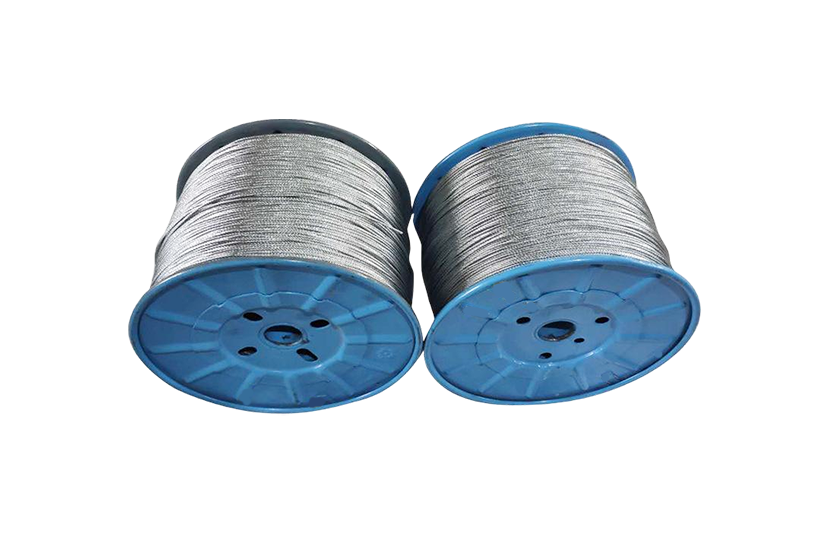
Ang Steel Wire Rope para sa Pagbubuhat ay isang nababaluktot na mekanikal na bahagi na gawa sa pamamagitan ng pagpilipit ng maraming steel wire sa mga hibla at pagsasama-sama ng mga hibla na ito sa paligid ng isang gitnang core. Ang natatanging konstruksyon na ito ay nagbibigay-daan sa Steel Wire Rope na magbigay ng mataas na tensile strength habang pinapanatili ang flexibility at tibay.
Hindi tulad ng mga simpleng alambreng bakal, ang Steel Wire Rope ay dinisenyo upang humawak ng mga dinamikong karga, paulit-ulit na pagbaluktot, at patuloy na paggalaw. Dahil dito, angkop ang Steel Wire Rope para sa mga kagamitan sa pagbubuhat kung saan mahalaga ang pagiging maaasahan at kaligtasan.
Ang Steel Wire Rope na Pang-angat ay karaniwang ginagamit sa mga crane, elevator, hoist, kagamitan sa konstruksyon, at mabibigat na makinarya. Ang pagganap ng Steel Wire Rope ay nakasalalay sa mga salik tulad ng diyametro ng lubid, uri ng konstruksyon, antas ng lakas, at kapaligiran sa pagtatrabaho.
Bakit Mahalaga ang Pagpili ng Tamang Steel Wire Rope
Mahalaga ang pagpili ng tamang Steel Wire Rope dahil ang iba't ibang aplikasyon sa pagbubuhat ay nangangailangan ng iba't ibang katangian ng pagganap. Ang isang Steel Wire Rope na idinisenyo para sa isang aplikasyon ay maaaring hindi angkop para sa ibang aplikasyon na may iba't ibang kondisyon ng karga o kapaligiran sa pagpapatakbo.
Pinapabuti ng wastong Steel Wire Rope ang kaligtasan sa pagbubuhat sa pamamagitan ng pagbibigay ng sapat na lakas ng pagkabali at maaasahang suporta sa karga. Nakakatulong din ito na mabawasan ang downtime na dulot ng maagang pagkasira, deformation, o pagkasira ng lubid.
Para sa mga Aplikasyon na Malakas ang Tungkulin, ang Steel Wire Rope ay dapat makatiis ng matataas na karga, paulit-ulit na stress, panginginig ng boses, at malupit na mga kondisyon ng pagpapatakbo. Ang pagpili ng tamang Steel Wire Rope ay nagsisiguro ng mas mahusay na tibay at mas mahabang buhay ng serbisyo.
Mga Pangunahing Salik sa Pagpili ng Tamang Steel Wire Rope
Maraming salik ang dapat isaalang-alang kapag pumipili ng Steel Wire Rope para sa pagbubuhat at mga aplikasyong pang-mabigat. Ang pag-unawa sa mga salik na ito ay makakatulong sa mga gumagamit na pumili ng lubid na akma sa mga kinakailangan sa pagpapatakbo.
1. Mga Kinakailangan sa Kapasidad ng Pagkarga
Ang kapasidad ng pagkarga ay isa sa pinakamahalagang salik sa pagpili ng Steel Wire Rope. Ang napiling Steel Wire Rope ay dapat may sapat na lakas upang ligtas na mahawakan ang pinakamataas na working load.
Ang tibay ng Steel Wire Rope ay naiimpluwensyahan ng diyametro ng lubid, materyal na bakal, disenyo ng konstruksyon, at kalidad ng paggawa. Ang pagpili ng Steel Wire Rope na may tamang kapasidad sa pagbubuhat ay nakakatulong na matiyak ang ligtas na operasyon sa pagbubuhat.
Para sa mga Aplikasyon na Malakas ang Tungkulin, kadalasang kinakailangan ang mas matibay na Steel Wire Rope dahil ang lubid ay maaaring makaranas ng mas matinding puwersa habang ginagamit.
2. Konstruksyon ng Lubid na Bakal
Ang Konstruksyon ng Lubid na Bakal ay tumutukoy kung paano nakaayos ang mga alambre at hibla sa loob ng lubid. Ang iba't ibang konstruksyon ay nagbibigay ng iba't ibang antas ng lakas, kakayahang umangkop, at resistensya sa pagkapagod.
Ang mga karaniwang disenyo ng konstruksyon ng Steel Wire Rope ay kinabibilangan ng iba't ibang bilang ng mga alambre bawat hibla, kaayusan ng hibla, at mga pangunahing istruktura. Ang bawat uri ng konstruksyon ay binuo para sa mga partikular na kinakailangan sa pagganap.
Para sa mga aplikasyon na may madalas na pagbaluktot, mas mainam ang flexible na Steel Wire Rope Construction. Para sa mga aplikasyon sa pagbubuhat ng mabibigat, ang mas matibay na Steel Wire Rope Construction ay maaaring magbigay ng mas mahusay na performance sa pagkarga.
3. Mga Uri ng Lubid na Bakal
Ang iba't ibang uri ng Steel Wire Rope ay idinisenyo para sa iba't ibang kondisyon ng pagtatrabaho. Ang pag-unawa sa mga Uri ng Steel Wire Rope ay nakakatulong sa mga gumagamit na pumili ng mga angkop na solusyon para sa pagbubuhat at mga aplikasyon para sa mabibigat na tungkulin.
Pangkalahatang Layunin na Lubid na Bakal
Ang pangkalahatang gamit na Steel Wire Rope ay nagbibigay ng balanseng kombinasyon ng lakas, kakayahang umangkop, at tibay. Ito ay angkop para sa maraming karaniwang aplikasyon sa pagbubuhat kung saan kinakailangan ang maaasahang pagganap.
Lubid na Bakal na Mataas ang Lakas
Ang mataas na lakas na Steel Wire Rope ay dinisenyo para sa mga aplikasyon na nangangailangan ng mas malaking kapasidad sa pagbubuhat. Ang ganitong uri ng Steel Wire Rope ay karaniwang ginagamit sa mabibigat na kagamitan sa pagbubuhat at mga mahihirap na kapaligirang pang-industriya.
Flexible na Lubid na Bakal
Ang Flexible Steel Wire Rope ay angkop para sa mga aplikasyon na may kinalaman sa madalas na pagbaluktot at paggalaw. Ang flexible na disenyo ay nagpapabuti sa resistensya sa pagkapagod at nakakatulong na pahabain ang buhay ng serbisyo.
Lubid na Bakal na Lumalaban sa Kaagnasan
Ang Steel Wire Rope na lumalaban sa kalawang ay idinisenyo para sa mga panlabas, pandagat, at industriyal na kapaligiran kung saan maaaring makaapekto ang kahalumigmigan at kalawang sa pagganap.
Lakas at Kapasidad ng Lubid na Bakal
Ang lakas ng Steel Wire Rope ay isang mahalagang salik sa pagbubuhat at paggamit ng mabibigat na kagamitan. Ang lakas ng Steel Wire Rope ang nagtatakda kung gaano kalaking karga ang ligtas na kayang suportahan ng lubid habang ginagamit.
Kapag pumipili ng Steel Wire Rope, dapat isaalang-alang ng mga gumagamit ang mga limitasyon sa working load, mga salik sa kaligtasan, at mga kinakailangan sa aplikasyon. Ang Steel Wire Rope na hindi sapat ang tibay ay maaaring lumikha ng mga panganib sa kaligtasan, habang ang isang napakalaking lubid ay maaaring magpataas ng mga hindi kinakailangang gastos.
Ang tibay ng pagkabali ng Steel Wire Rope ay nakasalalay sa maraming salik, kabilang ang materyal ng alambre, diyametro ng lubid, Konstruksyon ng Steel Wire Rope, at proseso ng paggawa.
Kakayahang umangkop ng lubid na bakal at paglaban sa pagkapagod
Ang kakayahang umangkop ay isa pang mahalagang konsiderasyon kapag pumipili ng Steel Wire Rope. Ang mga aplikasyon na kinasasangkutan ng mga pulley, drum, at paulit-ulit na paggalaw ay nangangailangan ng Steel Wire Rope na may mahusay na pagganap sa pagbaluktot.
Binabawasan ng Flexible Steel Wire Rope ang pinsala mula sa pagkapagod na dulot ng paulit-ulit na mga siklo ng pagbaluktot. Ito ay lalong mahalaga para sa mga crane, mga sistema ng pagbubuhat, at mga kagamitang patuloy na gumagana.
Para sa mga Aplikasyon na Mabibigat ang Tungkulin, mahalaga ang balanse sa pagitan ng lakas at kakayahang umangkop. Ang isang Steel Wire Rope na masyadong matigas ay maaaring makaranas ng mas mabilis na pagkapagod, habang ang isang lubid na hindi sapat ang lakas ay maaaring hindi epektibong makayanan ang mabibigat na karga.
Ipinaliwanag ang mga Uri ng Steel Wire Rope Core
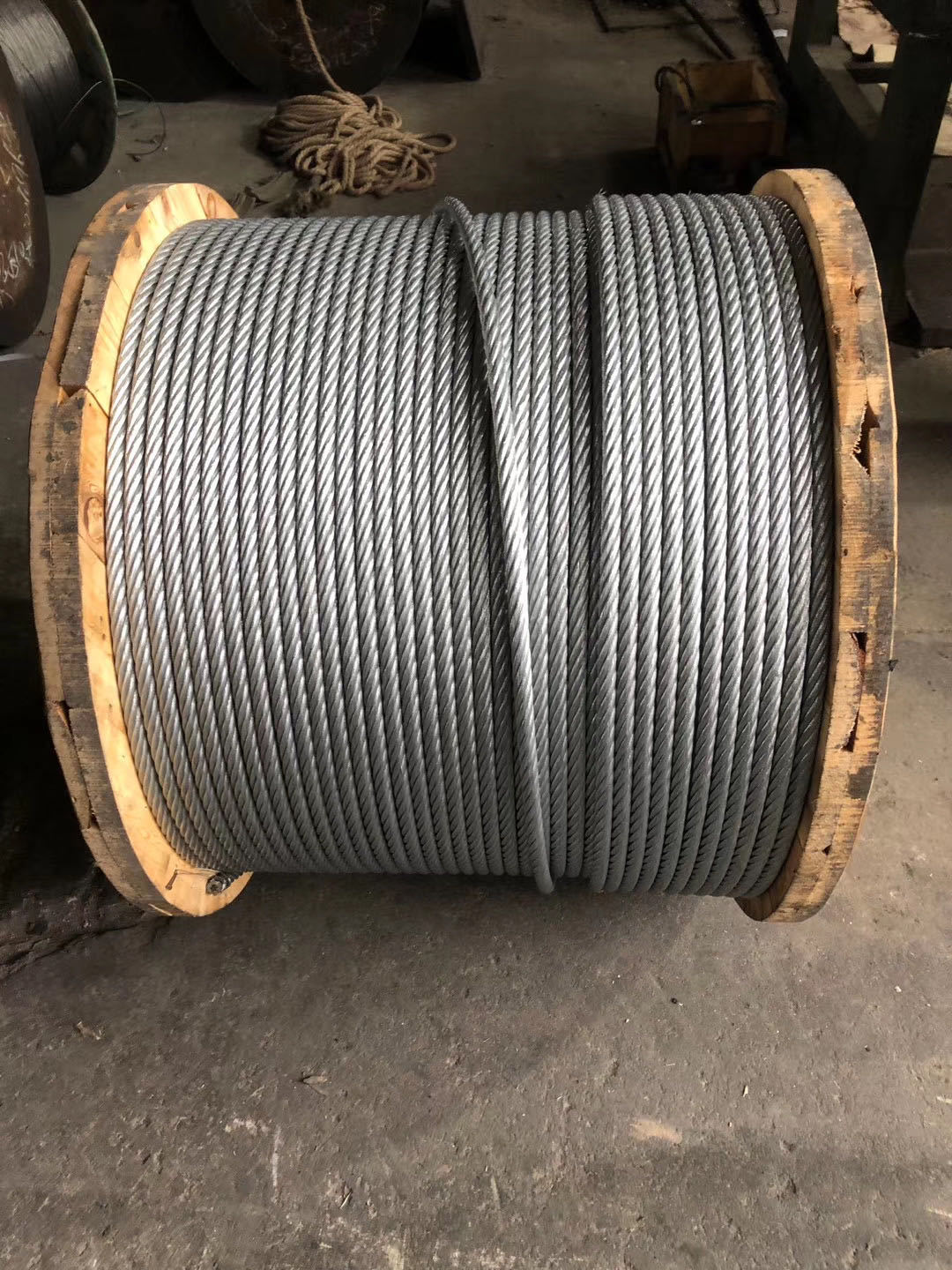
Ang core ay isang mahalagang bahagi ng Konstruksyon ng Steel Wire Rope. Sinusuportahan nito ang mga hibla, pinapanatili ang hugis ng lubid, at nakakaimpluwensya sa kakayahang umangkop at pagganap.
Lubid na Bakal na Hibla na may Core
Ang Fiber core Steel Wire Rope ay nagbibigay ng mahusay na kakayahang umangkop at angkop para sa mga aplikasyon na nangangailangan ng madalas na pagbaluktot. Nag-aalok ito ng maayos na operasyon at mahusay na mga katangian sa paghawak.
Malayang Wire Rope Core
Ang mga independiyenteng disenyo ng wire rope core ay nagbibigay ng karagdagang lakas at estabilidad sa istruktura. Ang ganitong uri ng Steel Wire Rope ay karaniwang ginagamit sa mga Malakas na Aplikasyon na nangangailangan ng mas mataas na kapasidad sa pagkarga.
Lubid na Kable na Bakal na Ubod ng Bakal
Ang Steel Core na Steel Wire Rope ay nagbibigay ng mahusay na lakas at resistensya sa pagdurog. Ito ay angkop para sa mga mabibigat na lugar na may mabibigat na pagbubuhat kung saan mahalaga ang tibay.
Mga Salik sa Kapaligiran na Nakakaapekto sa Pagpili ng Steel Wire Rope
Ang mga kondisyon ng kapaligiran ay may malaking epekto sa pagganap ng Steel Wire Rope. Ang mga salik tulad ng kahalumigmigan, temperatura, kemikal, kalawang, at dalas ng pagpapatakbo ay dapat isaalang-alang bago pumili ng Steel Wire Rope.
Para sa mga aplikasyon sa labas at pandagat, ang Rope na Bakal na hindi kinakalawang ay nagbibigay ng pinahusay na tibay. Para sa mga kapaligirang may mataas na temperatura, maaaring kailanganin ang mga espesyal na disenyo ng Rope na Bakal.
Steel Wire Rope para sa mga Crane at Kagamitan sa Pag-angat
Ang Steel Wire Rope ay isa sa pinakamahalagang bahagi sa mga kagamitan sa crane at hoisting. Ang mga crane ay nangangailangan ng Steel Wire Rope na may mahusay na lakas, kakayahang umangkop, at resistensya sa pagkapagod dahil ang lubid ay dapat paulit-ulit na magbuhat, magbaba, at humawak ng mabibigat na karga sa ilalim ng pabago-bagong mga kondisyon sa pagtatrabaho.
Kapag pumipili ng Steel Wire Rope para sa mga crane, dapat isaalang-alang ng mga gumagamit ang kapasidad sa pagbubuhat, dalas ng pagtatrabaho, disenyo ng drum at pulley, mga kondisyon ng pagbaluktot, at pagkakalantad sa kapaligiran. Ang tamang Steel Wire Rope ay nakakatulong na mapabuti ang kaligtasan sa operasyon ng crane at mabawasan ang hindi inaasahang downtime ng kagamitan.
Ang mga aplikasyon para sa mabibigat na tungkulin tulad ng mga tower crane, mobile crane, overhead crane, at makinarya sa pagbubuhat ay karaniwang nangangailangan ng Steel Wire Rope na may mataas na tibay at maaasahang pagganap. Tinitiyak ng wastong konstruksyon ng Steel Wire Rope ang mas mahusay na pamamahagi ng karga at pinahusay na resistensya sa pagkasira.
Steel Wire Rope para sa Pagmimina at Mabibigat na Makinarya
Ang mga aplikasyon sa pagmimina at mabibigat na makinarya ay nangangailangan ng Steel Wire Rope na kayang humawak ng matinding karga at patuloy na operasyon. Sa mga kapaligirang ito, ang Steel Wire Rope ay nalalantad sa panginginig ng boses, impact, alikabok, kahalumigmigan, at paulit-ulit na stress.
Para sa mga operasyon sa pagmimina, mahalaga ang pagpili ng tamang Steel Wire Rope dahil ang kagamitan ay kadalasang gumagana sa ilalim ng mahihirap na kondisyon. Ang mataas na lakas na Steel Wire Rope na may mahusay na resistensya sa pagkapagod ay nakakatulong na mapanatili ang maaasahang pagganap sa panahon ng mahahabang siklo ng pagtatrabaho.
Ang mga aplikasyon para sa mabibigat na tungkulin sa pagmimina ay maaaring kabilang ang mga sistema ng pagbubuhat, kagamitan sa transportasyon, at makinarya sa paghawak ng materyal. Ang mga aplikasyong ito ay nangangailangan ng Steel Wire Rope na may angkop na antas ng lakas at matibay na konstruksyon.
Ang tamang pagpili ng Steel Wire Rope ay nakakatulong na mabawasan ang mga kinakailangan sa pagpapanatili at mapabuti ang kahusayan sa operasyon sa mga kapaligirang pagmimina at industriyal.
Steel Wire Rope para sa Pagbubuhat sa Dagat at Lambak ng Dagat
Ang mga kapaligirang pandagat at malayo sa pampang ay lumilikha ng mga natatanging hamon para sa pagganap ng Steel Wire Rope. Ang pagkakalantad sa tubig-alat, halumigmig, at pabago-bagong kondisyon ng panahon ay maaaring magpabilis ng kalawang at magpahaba sa buhay ng serbisyo.
Para sa mga aplikasyon sa pagbubuhat sa dagat, ang lubid na bakal na hindi kinakalawang ay kadalasang pinipili upang mapabuti ang tibay. Ang tamang lubid na bakal na bakal ay nagbibigay ng maaasahang pagganap sa mga kagamitan sa barko, mga plataporma sa malayo sa pampang, at mga sistema ng pagbubuhat sa dagat.
Ang Steel Wire Rope na ginagamit sa mga aplikasyon sa dagat na Heavy Duty ay dapat pagsamahin ang resistensya sa kalawang, lakas, at kakayahang umangkop. Ang wastong konstruksyon ng Steel Wire Rope ay nakakatulong na mapanatili ang pagganap sa panahon ng paulit-ulit na pagkarga at paggalaw.
Ang pagpili ng angkop na Steel Wire Rope para sa mga aplikasyon sa dagat ay nakakatulong na mapabuti ang kaligtasan, mabawasan ang dalas ng pagpapalit, at mapanatili ang matatag na operasyon sa mga mapaghamong kapaligiran.
Steel Wire Rope para sa mga Aplikasyon sa Konstruksyon
Ang mga proyekto sa konstruksyon ay umaasa sa Steel Wire Rope para sa pagbubuhat ng mga materyales, pagsuporta sa mga istruktura, at pagpapatakbo ng mabibigat na kagamitan. Ang mga kapaligiran sa konstruksyon ay kadalasang kinabibilangan ng matataas na karga, madalas na paggalaw, at pagkakalantad sa labas.
Ang pagpili ng Steel Wire Rope para sa konstruksyon ay nakadepende sa mga kinakailangan sa karga, uri ng kagamitan, at mga kondisyon ng pagpapatakbo. Ang wastong napiling Steel Wire Rope ay nagpapabuti sa kahusayan sa pagbubuhat at tinitiyak ang maaasahang pagganap.
Kabilang sa mga karaniwang aplikasyon sa konstruksyon na Heavy Duty ang mga crane, hoist, elevator, suspension system, at kagamitan sa transportasyon ng materyal. Ang bawat aplikasyon ay nangangailangan ng mga partikular na katangian ng Steel Wire Rope.
Paano Pumili ng Steel Wire Rope Ayon sa Aplikasyon
Ang pagpili ng tamang Steel Wire Rope ay nangangailangan ng pag-unawa sa mga partikular na kondisyon sa pagtatrabaho. Ang iba't ibang aplikasyon ay nangangailangan ng iba't ibang kumbinasyon ng lakas, kakayahang umangkop, tibay, at resistensya sa kalawang.
Suriin ang Working Load
Ang unang hakbang sa pagpili ng Steel Wire Rope ay ang pagsusuri sa working load. Ang Steel Wire Rope ay dapat may sapat na kapasidad upang ligtas na mahawakan ang pinakamataas na operating load.
Para sa mga Aplikasyon na Malakas ang Tungkulin, ang pagpili ng Steel Wire Rope na may angkop na grado ng lakas ay nagsisiguro ng mas mahusay na pagiging maaasahan at kaligtasan.
Suriin ang mga Kondisyon ng Pagbaluktot
Ang dalas ng pagbaluktot ay nakakaapekto sa tagal ng serbisyo ng Steel Wire Rope. Ang mga aplikasyon na may kinalaman sa madalas na pagbaluktot ay nangangailangan ng nababaluktot na Steel Wire Rope upang mabawasan ang pinsala mula sa pagkapagod.
Kung ang Steel Wire Rope ay gumagana sa paligid ng mga pulley o drum, dapat pumili ang mga gumagamit ng konstruksyon na idinisenyo para sa paulit-ulit na mga siklo ng pagbaluktot.
Isaalang-alang ang Kapaligiran sa Operasyon
Ang mga kondisyon sa kapaligiran ay nakakaimpluwensya sa tibay ng Steel Wire Rope. Ang mga kapaligirang panlabas, pandagat, at industriyal ay maaaring mangailangan ng Steel Wire Rope na lumalaban sa kalawang.
Ang pagpili ng angkop na Steel Wire Rope ayon sa temperatura, halumigmig, pagkakalantad sa kemikal, at mga kondisyon ng panahon ay nagpapabuti sa buhay ng serbisyo.
Mga Tip sa Pagpapanatili para sa Malakas na Lubid na Bakal
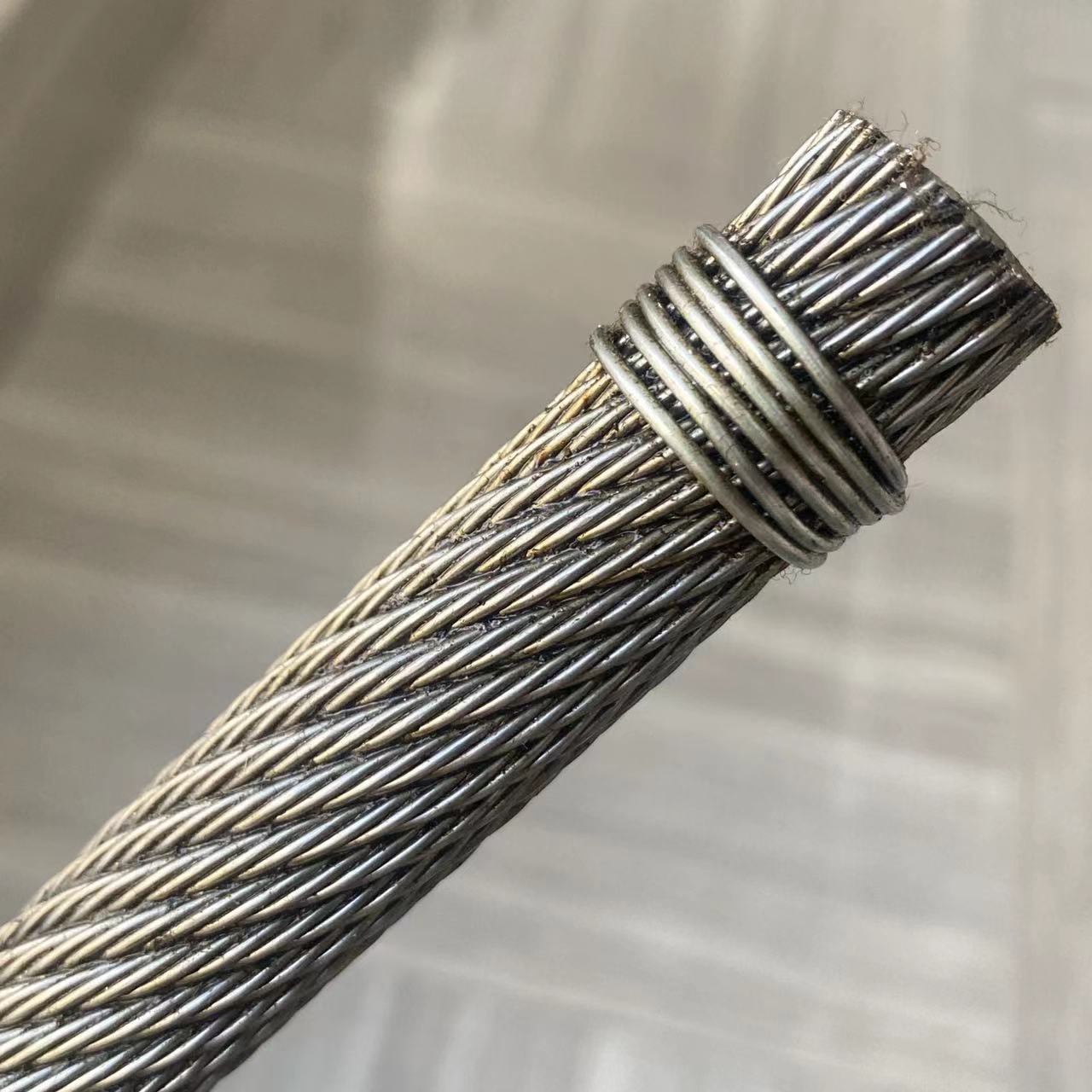
Mahalaga ang wastong pagpapanatili para mapahaba ang buhay ng serbisyo ng Steel Wire Rope. Kahit ang de-kalidad na Steel Wire Rope ay nangangailangan ng regular na inspeksyon at pangangalaga upang mapanatili ang ligtas na operasyon.
Regular na Inspeksyon
Ang regular na inspeksyon ay nakakatulong upang matukoy ang mga potensyal na problema tulad ng mga sirang alambre, kalawang, deformasyon, at pinsala sa ibabaw. Ang maagang pagtuklas ay nagbibigay-daan sa mga gumagamit na palitan o kumpunihin ang Steel Wire Rope bago pa man magkaroon ng malubhang problema.
Wastong Pagpapadulas
Ang lubrication ay nakakatulong na mabawasan ang friction sa pagitan ng mga alambre at hibla. Ang wastong lubrication ay nagpapabuti sa flexibility ng Steel Wire Rope at binabawasan ang panloob na pagkasira.
Para sa mga Aplikasyon na Malakas ang Tungkulin, mahalaga ang regular na pagpapadulas dahil ang Steel Wire Rope ay nakakaranas ng mas mataas na stress at paulit-ulit na paggalaw.
Iwasan ang Sobra na Pag-load
Ang labis na karga ay isa sa mga pangunahing sanhi ng pagkasira ng Steel Wire Rope. Ang pagpapatakbo ng Steel Wire Rope nang lampas sa itinakdang kapasidad nito ay maaaring magpabilis ng pagkapagod at magpaikli sa buhay ng serbisyo.
Ang pagsunod sa mga inirerekomendang limitasyon ng karga ay nakakatulong na mapanatili ang ligtas at mahusay na operasyon ng Steel Wire Rope.
Pagkontrol sa Kalidad at Inspeksyon ng Steel Wire Rope
Mahalaga ang kontrol sa kalidad upang matiyak na ang Steel Wire Rope ay nagbibigay ng maaasahang pagganap sa pagbubuhat at mga aplikasyon ng mabibigat na tungkulin. Ang katumpakan ng paggawa ay direktang nakakaapekto sa lakas, tibay, at kaligtasan ng lubid.
Kabilang sa mahahalagang inspeksyon sa kalidad ng Steel Wire Rope ang pagsusuri ng materyal, pagsukat ng diyametro, pagsusuri ng tensile strength, beripikasyon ng konstruksyon, at inspeksyon sa ibabaw.
Tinitiyak ng pagsubok sa lakas ng Steel Wire Rope na natutugunan ng lubid ang kinakailangang pagganap ng karga. Kinukumpirma ng inspeksyon ng Konstruksyon ng Steel Wire Rope na ang mga alambre at hibla ay nakaayos nang tama.
Ang produksyon ng de-kalidad na Steel Wire Rope ay nangangailangan ng mahigpit na kontrol sa buong proseso ng paggawa. Nakakatulong ito upang matiyak ang pare-parehong pagganap at mahabang buhay ng serbisyo.
Mga Karaniwang Pagkakamali Kapag Pumipili ng Steel Wire Rope
Pagpili ng Steel Wire Rope Batay Lamang sa Presyo
Ang pagpili lamang ng Steel Wire Rope ayon sa presyo ay maaaring magresulta sa hindi angkop na pagganap. Ang pinakamababang opsyon ay maaaring hindi magbigay ng sapat na lakas, tibay, o buhay ng serbisyo.
Ang wastong pagpili ng Steel Wire Rope ay dapat isaalang-alang ang kabuuang mga kinakailangan sa pagpapatakbo sa halip na ang panimulang gastos lamang.
Hindi Pagpansin sa Kapaligiran sa Paggawa
Ang iba't ibang kapaligiran ay nangangailangan ng iba't ibang katangian ng Steel Wire Rope. Ang hindi pagpansin sa kalawang, temperatura, o mga kondisyon ng pagpapatakbo ay maaaring makabawas sa pagganap ng lubid.
Pagpili ng Maling Grado ng Lakas
Ang paggamit ng Steel Wire Rope na may maling antas ng lakas ay maaaring magdulot ng mga panganib sa kaligtasan. Ang napiling Steel Wire Rope ay dapat palaging tumutugma sa inaasahang working load at mga kinakailangan sa aplikasyon.
Mga Madalas Itanong Tungkol sa Steel Wire Rope
1. Paano ko pipiliin ang tamang Steel Wire Rope?
Ang pagpili ng tamang Steel Wire Rope ay nangangailangan ng pagsusuri sa kapasidad ng pagkarga, uri ng konstruksyon, kakayahang umangkop, kapaligiran sa pagpapatakbo, at mga kinakailangan sa aplikasyon.
2. Anong Steel Wire Rope ang angkop para sa pagbubuhat?
Ang Steel Wire Rope para sa pagbubuhat ay dapat magbigay ng sapat na lakas, kakayahang umangkop, at resistensya sa pagkapagod. Ang tamang pagpili ay depende sa uri ng kagamitan at mga kondisyon ng pagtatrabaho.
Ang konstruksyon ng Steel Wire Rope ay nakakaapekto sa lakas, kakayahang umangkop, resistensya sa pagkasira, at tagal ng serbisyo. Iba't ibang konstruksyon ang idinisenyo para sa iba't ibang aplikasyon.
4. Gaano katagal maaaring tumagal ang Steel Wire Rope?
Ang tagal ng serbisyo ng Steel Wire Rope ay nakadepende sa mga kondisyon ng karga, pagpapanatili, kapaligiran sa pagpapatakbo, at uri ng konstruksyon. Ang wastong pagpili at pagpapanatili ay maaaring makabuluhang magpahaba ng tagal ng serbisyo.
5. Ano ang nakakaapekto sa pagganap ng Steel Wire Rope?
Ang pagganap ng Steel Wire Rope ay apektado ng lakas, konstruksyon, diyametro, kapaligiran, pagpapadulas, at mga kondisyon ng pagpapatakbo.
Konklusyon
Ang pagpili ng tamang Steel Wire Rope para sa pagbubuhat at paggamit ng mabibigat na kagamitan ay mahalaga para sa ligtas na operasyon, pagiging maaasahan ng kagamitan, at pangmatagalang pagganap. Ang isang angkop na Steel Wire Rope ay dapat tumugma sa mga kinakailangan sa aplikasyon kabilang ang kapasidad ng pagkarga, kakayahang umangkop, resistensya sa pagkapagod, at mga kondisyon sa kapaligiran.
Ang pag-unawa sa Konstruksyon ng Steel Wire Rope, Mga Uri ng Steel Wire Rope, mga grado ng tibay, at mga kinakailangan sa pagpapanatili ay nakakatulong sa mga gumagamit na makagawa ng mas mahusay na mga desisyon. Ginagamit man sa mga crane, kagamitan sa pagmimina, mga sistema ng pandagat, o makinarya sa konstruksyon, ang tamang Steel Wire Rope ay nagpapabuti sa kahusayan at kaligtasan.
Para sa mga mabibigat na gawain sa pagbubuhat at mabibigat na gawain, ang pagpili ng maaasahang solusyon sa Steel Wire Rope ay nagsisiguro ng mas matibay na pagganap, mas mahabang buhay ng serbisyo, at mas mababang gastos sa pagpapanatili. Ang maingat na pagsusuri sa mga kondisyon ng pagpapatakbo at mga teknikal na kinakailangan ang susi sa pagkamit ng pinakamahusay na pagganap ng Steel Wire Rope.

 English
 Español
 한국어
한국어 العربية
 Tiếng Việt


 E-mail:
 Address: No. 508, Guangxing Road, Baishan Town, Bo'ai County, Jiaozuo City, Henan Province



 Telepono
Magkomento
(0)