

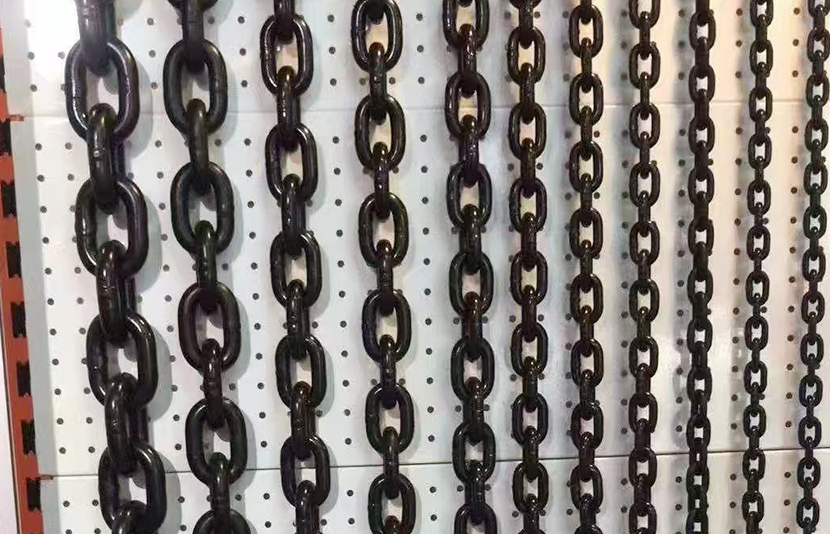
Ang lubid na bakal ay may mahalagang papel sa mga operasyon ng pagbubuhat sa konstruksyon, pagmamanupaktura, pagpapadala, pagmimina, logistik, at mabibigat na industriya. Kung ang kaligtasan, pagiging maaasahan, at pagkontrol ng karga ang pinakamahalaga, ang lubid na bakal ay nananatiling isa sa mga pinaka-mapagkakatiwalaang bahagi ng pagbubuhat sa mundo. Ang lakas, kakayahang umangkop, resistensya sa abrasion, at mahuhulaang pagganap nito ay nakakatulong na mabawasan ang panganib habang nagbubuhat, nag-rigging, nagto-tow, at nagbubuhat sa ibabaw.
Ipinapaliwanag ng artikulong ito kung paano pinapabuti ng lubid na bakal ang kaligtasan sa mga operasyon ng pagbubuhat, kung bakit ito mas gusto sa mga mahihirap na kapaligiran, at kung ano ang dapat maunawaan ng mga gumagamit tungkol sa konstruksyon, mga rating ng lakas, inspeksyon, pagpapanatili, at pagpili. Ang nilalaman sa ibaba ay idinisenyo para sa pangkalahatang paggamit ng industriya, na may malinaw na mga kahulugan, praktikal na gabay, istrukturang SEO-friendly, at orihinal na impormasyon na angkop para sa mga blog, pahina ng kategorya, pahina ng industriya, at mga mapagkukunang pang-edukasyon.
Ang steel wire rope ay isang flexible na assembly para sa pagbubuhat at pagdadala ng karga na ginagawa sa pamamagitan ng pagpilipit ng maraming steel wire sa mga hibla, na pagkatapos ay inilalagay nang paikot sa isang core. Ang disenyo ay nagbibigay-daan sa lubid na humawak ng napakataas na tensile load habang pinapanatili ang sapat na flexibility para sa paulit-ulit na pagbaluktot sa mga sheaves, drums, at pulleys. Kung ikukumpara sa mga simpleng steel cable o chain system, ang steel wire rope ay nag-aalok ng balanse ng lakas, tibay, at kakayahang umangkop na ginagawa itong mainam para sa mga operasyon ng pagbubuhat.
Sa mga aplikasyon ng pagbubuhat, ang steel wire rope ay ginagamit sa mga crane, hoist, winch, elevator, derrick, material handling system, at marami pang ibang load-lifting machine. Napili ito dahil ligtas nitong naipapasa ang puwersa sa ilalim ng mga dynamic na kondisyon, mas mahusay na nalalabanan ang shock loading kaysa sa maraming rigid system, at nagbibigay ng malinaw na visual signal ng pagkasira bago magkaroon ng pagkasira.
Ang mga operasyon sa pagbubuhat ay kabilang sa mga aktibidad na may pinakamataas na panganib sa mga kapaligirang pang-industriya. Ang isang sirang linya ng pagbubuhat ay maaaring humantong sa mga nahulog na karga, pinsala sa kagamitan, downtime ng produksyon, at malubhang pinsala o pagkamatay. Ang kaligtasan sa pagbubuhat ay nakasalalay sa ilang mga salik: tamang pagpili ng kagamitan, pagpaplano ng karga, inspeksyon, pagsasanay sa operator, at wastong pagpapanatili. Pinapabuti ng lubid na bakal ang kaligtasan sa pamamagitan ng pagsuporta sa kontroladong pagbubuhat sa ilalim ng mabibigat na karga, pag-aalok ng isang kilalang istrukturang gumagana, at nagpapahintulot sa inspeksyon para sa pagkasira, sirang mga alambre, kalawang, at deformasyon.
Dahil ang mga karga na pangbuhat ay kadalasang gumagalaw nang patayo o pa-anggulo, ang lifting medium ay dapat makatiis ng tensyon, pagbaluktot, panginginig ng boses, at pagkakalantad sa kapaligiran. Ang steel wire rope ay ginawa upang gumana sa ilalim ng mga kondisyong ito, kaya naman nananatili itong isang pangunahing bahagi sa ligtas na operasyon ng pagbubuhat.
Pinapabuti ng lubid na bakal ang kaligtasan sa mga operasyon ng pagbubuhat sa ilang mahahalagang paraan. Ang pagkakagawa nito ay nagbibigay ng mataas na tensile strength, kontroladong flexibility, at maaasahang pagganap sa paulit-ulit na mga siklo ng pagkarga at pagbaluktot. Nakakatulong ito na mabawasan ang posibilidad ng biglaang pagkasira at nagbibigay sa mga operator ng mas ligtas at mas mahuhulaang kagamitan sa pagbubuhat.
Isa sa mga pangunahing bentahe sa kaligtasan ng lubid na bakal ay ang mataas na lakas ng pag-igting nito. Ang mga operasyon sa pagbubuhat ay kadalasang nangangailangan ng paghawak ng malalaking masa na may matatag at maaasahang koneksyon sa pagitan ng hoist at ng karga. Ang lubid na bakal ay may kakayahang magdala ng malalaking karga nang hindi labis na nababanat o nawawalan ng integridad ng istruktura. Ang lakas na ito ay nakakatulong na mabawasan ang panganib ng mga aksidente na may kaugnayan sa labis na karga kapag ang lubid ay napili nang tama para sa aplikasyon.
Ang mataas na tibay ay lalong mahalaga sa pagbubuhat sa itaas, kung saan ang isang pagkabigo ay maaaring maging sanhi ng pagbagsak ng nakasabit na karga. Ang isang maayos na na-rate na lubid na bakal ay nakakatulong na lumikha ng ligtas na landas ng karga mula sa makina patungo sa karga, na binabawasan ang panganib ng mapaminsalang pagkabit.
Ang kaligtasan sa pagbubuhat ay hindi lamang tungkol sa lakas; ito ay tungkol din sa kontrol. Ang lubid na bakal ay sapat na nababaluktot upang gumalaw nang maayos sa paligid ng mga drum, pulley, at sheaves. Ang kakayahang umangkop na ito ay nakakatulong na mapanatili ang matatag na galaw ng pagbubuhat at binabawasan ang biglaang pagkagulat o pagkasakal habang ginagamit. Mahalaga ang kontroladong paggalaw dahil ang mga dynamic shock ay maaaring magparami ng puwersa sa lubid at magpataas ng posibilidad ng pinsala sa kagamitan.
Sa pamamagitan ng pagpapahintulot sa mas maayos na paggalaw, ang lubid na bakal ay nakakatulong sa mga operator na mas tumpak na maiposisyon ang mga kargamento. Ang mas mahusay na pagkontrol sa kargamento ay nangangahulugan ng mas kaunting banggaan, mas kaunting pag-ugoy, at mas mababang panganib sa mga tauhan at mga nakapalibot na kagamitan.
Ang lubid na bakal ay may malaking kalamangan sa kaligtasan kumpara sa ibang kagamitan sa pagbubuhat: ipinapakita nito ang pagkasira sa mga nakikitang paraan. Kadalasang mapapansin ang mga sirang alambre, pagyupi, kalawang, pagkakakulong ng ibon, pagbaluktot ng hibla, at pagbawas ng diyametro habang nag-iinspeksyon. Ang mga palatandaang ito ay nakakatulong sa mga maintenance team na matukoy ang isang lubid na malapit nang matapos ang buhay ng serbisyo bago ito masira habang ginagamit.
Ang nakikitang pagkasirang ito ay sumusuporta sa preventive maintenance. Sa halip na maghintay para sa isang biglaang aberya, maaaring tanggalin ng mga operator ang sirang lubid batay sa pamantayan ng inspeksyon. Ang maagang pagpapalit ay isa sa mga pinakamabisang kasanayan sa kaligtasan sa mga operasyon ng pagbubuhat.
Ang mga kagamitang pangbuhat ay kadalasang nagsasagawa ng libu-libong siklo. Ang bawat siklo ay lumilikha ng stress, tensyon, at pagkasira sa pagbaluktot. Ang lubid na bakal ay idinisenyo upang labanan ang pagkapagod mula sa paulit-ulit na pagbaluktot sa mga sheaves at drums. Ito ay lalong mahalaga sa mga crane, hoist, at winch system kung saan ang paggalaw ng lubid ay pare-pareho.
Ang lubid na hindi tinatablan ng pagkapagod ay nakakatulong na mabawasan ang posibilidad ng biglaang pagkaputol ng alambre sa ilalim ng normal na mga kondisyon ng pagpapatakbo. Kung mas mahuhulaan ang tagal ng paggamit ng lubid kapag napagod, mas madali ang ligtas na pag-iiskedyul ng pagpapanatili at pagpapalit.
Ang nakasasakit na pagkasuot ay isang karaniwang sanhi ng pagkasira ng lubid sa mga sistema ng pagbubuhat. Ang lubid na bakal ay ginawa upang pangasiwaan ang pagdikit sa mga gumagalaw na bahagi tulad ng mga sheaves, drums, guides, at mga bahagi ng istruktura. Depende sa konstruksyon ng lubid at pagpapadulas, mas matibay itong lumalaban sa abrasion kaysa sa maraming mas malambot na materyales sa pagbubuhat.
Ang tibay laban sa gasgas ay sumusuporta sa mas ligtas na operasyon dahil mas matagal na napapanatili ng lubid ang kapasidad nito sa istruktura. Ang lubid na mabagal masira ay nagbibigay ng mas maraming oras para sa inspeksyon at pagpaplano ng pagpapalit, na nagpapababa ng panganib sa operasyon.
Ang kakayahang mahulaan ay isang mahalagang bahagi ng kaligtasan sa pagbubuhat. Ang lubid na bakal ay may mahusay na naitatag na mga katangian ng pagganap, kabilang ang lakas ng pagkabali, minimum na radius ng pagbaluktot, at mga inirerekomendang pagitan ng inspeksyon. Ginagawa nitong mas madali para sa mga inhinyero at mga superbisor ng pagbubuhat na magdisenyo ng mga ligtas na sistema at magtakda ng mga limitasyon sa working load.
Kapag ang isang bahagi ng pagbubuhat ay kumikilos nang nahuhulaan, mas tumpak na makakalkula ng mga operator ang panganib. Ang nahuhulaang pagganap ay nagpapabuti ng kumpiyansa habang nagbubuhat at nakakatulong na maiwasan ang maling paggamit.
Maraming insidente ng pagbubuhat ang nangyayari kapag biglang nagbabago ang mga karga o biglang nagsisimula at humihinto ang kagamitan. Mas mahusay na masipsip ng steel wire rope ang ilang antas ng dynamic loading kaysa sa mga matibay na alternatibo dahil mayroon itong kaunting elastisidad at kakayahang umangkop. Bagama't dapat laging iwasan ang shock loading, ang kakayahan ng lubid na tiisin ang mga panandaliang dynamic forces ay nagdaragdag ng isang layer ng kaligtasan sa mga totoong kondisyon sa mundo.
Ang katangiang ito ay partikular na mahalaga sa konstruksyon, pagsagip, paghawak sa malayo sa pampang, at mga aplikasyon sa paglilipat ng materyal kung saan ang paggalaw ay hindi laging perpektong maayos.
Hindi lahat ng lubid na gawa sa bakal ay pareho. Ang paggawa ng lubid ay may direktang epekto sa kaligtasan, tagal ng serbisyo, pagganap ng pagbaluktot, at kapasidad ng pagkarga. Ang pag-unawa sa disenyo ng lubid ay nakakatulong sa mga gumagamit na pumili ng tamang produkto para sa mga operasyon ng pagbubuhat.
| Tampok ng Konstruksyon | Epekto sa Kaligtasan | Karaniwang Pagsasaalang-alang |
|---|---|---|
| Bilang ng alambre | Nakakaapekto sa kakayahang umangkop at resistensya sa pagkasira | Ang mas maraming alambre ay kadalasang nagpapabuti sa kakayahang umangkop |
| Bilang ng hibla | Nakakaimpluwensya sa lakas at paghawak | Ang mga karaniwang lubid na pang-angat ay gumagamit ng maraming hibla sa paligid ng isang core |
| Uri ng core | Sinusuportahan ang katatagan ng hibla at pagpapanatili ng lubrication | Maaaring gamitin ang fiber core o steel core depende sa aplikasyon |
| Direksyon ng paglatag | Nakakaapekto sa tendensiya ng pag-ikot at gawi sa pag-install | Dapat tumugma sa disenyo ng makina at hoist |
| Haba ng lay | Nakakaimpluwensya sa buhay ng pagkapagod at pagganap ng pagbaluktot | Pinapabuti ng balanseng disenyo ang pagiging maaasahan sa pagpapatakbo |
| Pagpapadulas | Binabawasan ang panloob na alitan at kalawang | Mahalaga para sa pangmatagalang kaligtasan at pagpapanatili |
Iba't ibang uri ng lubid na bakal ang ginagamit para sa iba't ibang gawain sa pagbubuhat. Ang pinakamahusay na pagpipilian ay depende sa laki ng karga, duty cycle, dalas ng pagbaluktot, at pagkakalantad sa kapaligiran.
Ang lubid na pangkalahatan ay malawakang ginagamit sa mga crane, winch, at mga sistema ng pag-aangat. Nag-aalok ito ng balanseng kombinasyon ng lakas at kakayahang umangkop at angkop para sa maraming karaniwang aplikasyon sa pagbubuhat.
Ang lubid na hindi umiikot ay dinisenyo upang mabawasan ang pag-ikot sa ilalim ng karga. Pinapabuti nito ang kaligtasan sa mga operasyon ng pagbubuhat kung saan ang mga nakasabit na karga ay maaaring umikot o umikot nang hindi inaasahan. Madalas itong ginagamit sa mga mobile crane at mga sistema ng pagbubuhat na may mataas na karga.
Ang siksik na lubid ay may mga hibla na mekanikal na pinipiga upang mapabuti ang pagdikit sa ibabaw at mapataas ang densidad ng lakas. Ang siksik na disenyo ay maaaring mapabuti ang resistensya sa abrasion at pahabain ang buhay ng serbisyo, na sumusuporta sa mas ligtas na operasyon sa paglipas ng panahon.
Ang lubid na galvanized ay may patong na zinc na nakakatulong na protektahan laban sa kalawang. Sa mga kapaligirang pandagat, panlabas, at mahalumigmig, ang resistensya sa kalawang ay mahalaga para sa kaligtasan dahil ang kalawang ay maaaring makabawas sa lakas at pagiging maaasahan ng lubid.
Ang lubid na gawa sa alambreng hindi kinakalawang na asero ay kadalasang ginagamit kung saan ang resistensya sa kalawang ay pangunahing prayoridad. Karaniwan ito sa malupit o basang kapaligiran, bagaman ang pagiging angkop ng aplikasyon ay depende sa mga kinakailangan sa karga at mga pamantayan sa disenyo.
Ang ligtas na pagbubuhat ay nakasalalay sa kung paano nakikipag-ugnayan ang lubid sa karga, sa makinang pangbuhat, at sa kapaligiran. Sinusuportahan ng lubid na bakal ang ligtas na paghawak ng karga sa pamamagitan ng pagpapanatili ng ligtas na landas ng tensyon at pagliit ng biglaang kawalang-tatag habang nagbubuhat.
Kapag ipinares sa maayos na dinisenyong mga sheaves, drums, hooks, at end terminations, ang steel wire rope ay nakakatulong na pantay na ipamahagi ang mga puwersa ng karga. Ang pantay na pamamahagi ng puwersa ay nakakabawas sa localized stress at nagpapababa ng posibilidad ng pagkabigo. Ang flexibility ng lubid ay nakakatulong din na maayos itong umikot sa mga drums, na sumusuporta sa kontroladong pag-angat at pagbaba.
Isa pang benepisyo sa kaligtasan ay ang mga sistema ng wire rope ay maaaring idisenyo na may malinaw na mga limitasyon sa working load at mga salik sa kaligtasan. Nagbibigay ito sa mga lifting team ng masusukat na batayan para sa operasyon at nakakatulong na maiwasan ang aksidenteng overloading.
Pinapabuti ng lubid na alambreng bakal ang kaligtasan nang pinakamabisa kapag ito ay sinuri at pinapanatili nang tama. Kahit ang lubid na may pinakamahusay na disenyo ay masisira sa paglipas ng panahon kung malantad sa alitan, kalawang, kontaminasyon, pagkapagod ng pagbaluktot, o labis na pagkarga. Mahalaga ang regular na inspeksyon.
Kapag natagpuan ang alinman sa mga kondisyong ito, ang lubid ay dapat suriin laban sa mga naaangkop na pamantayan sa kaligtasan at palitan kung kinakailangan. Ang regular na inspeksyon ay isa sa pinakamahalagang paraan ng pagtulong ng steel wire rope sa ligtas na operasyon ng pagbubuhat.
Binabawasan ng wastong pagpapadulas ang panloob na alitan sa pagitan ng mga alambre at hibla. Nakakatulong din ito na protektahan laban sa kahalumigmigan at kalawang. Inaalis ng paglilinis ng lubid ang dumi, grit, at iba pang mga kontaminante na maaaring mapabilis ang pagkasira. Kapag pinagsama-sama, pinapahaba ng mga hakbang sa pagpapanatili na ito ang buhay ng serbisyo at binabawasan ang posibilidad ng hindi inaasahang pagkasira ng lubid.
Ang lubid na alambre ay dapat itago sa isang tuyo at malinis na lugar na malayo sa mga kemikal at matutulis na bahagi ng pagbaluktot. Ang hindi maayos na pag-iimbak ay maaaring magdulot ng kalawang, pagkiling, at pagbabago ng anyo bago pa man mailagay ang lubid. Ang ligtas na pag-iimbak ay bahagi ng ligtas na pagbubuhat, dahil ang sirang lubid ay maaaring makasira sa sistema ng pagbubuhat sa simula pa lamang.
Ang limitasyon sa working load, na kadalasang pinaikli bilang WLL, ay ang pinakamataas na karga na dapat dalhin ng isang lubid o lifting assembly sa ilalim ng mga tinukoy na kondisyon. Ang paggamit ng wire rope na higit sa rated working load limit nito ay maaaring humantong sa mapanganib na overload at maagang pagkabigo. Ang safety factor ay isa pang mahalagang konsepto. Ito ay tumutukoy sa ratio sa pagitan ng breaking strength at pinapayagang working load.
Sa mga operasyon ng pagbubuhat, ang safety factor ay nakakatulong na magbigay ng kaunting proteksyon laban sa mga hindi inaasahang dinamikong puwersa, pagbabago ng karga, at pagkasira. Gayunpaman, ang safety factor ay hindi pumapalit sa wastong inhinyeriya, inspeksyon, o pagsasanay. Dapat itong maunawaan bilang bahagi ng isang kumpletong sistema ng kaligtasan sa pagbubuhat.
Ang talahanayan sa ibaba ay nagbibigay ng pangkalahatan at nakatuon sa industriyang pangkalahatang-ideya ng mga karaniwang katangian ng espesipikasyon ng lubid na alambreng bakal. Ang aktwal na pagganap ay nakasalalay sa uri ng lubid, konstruksyon, diyametro, grado, at disenyo ng tagagawa. Ang talahanayan na ito ay para sa impormasyon lamang.
| Item na may Espesipikasyon | Karaniwang Saklaw / Halimbawa | Kaugnayan sa Kaligtasan |
|---|---|---|
| Diyametro | 6 mm hanggang 64 mm pataas | Ang mas malaking diyametro ay karaniwang sumusuporta sa mas mataas na kapasidad ng pagkarga |
| Materyal | Bakal na karbon, bakal na yero, bakal na hindi kinakalawang | Nakakaapekto sa lakas, resistensya sa kalawang, at tibay |
| Uri ng core | Hibla, independiyenteng hibla ng lubid, bakal na hibla | Nakakaapekto sa kakayahang umangkop, resistensya sa pagdurog, at panloob na suporta |
| Konstruksyon | 6x19, 6x36, 7x19, 8x19, mga konstruksyong hindi natitinag sa pag-ikot | Tinutukoy ang resistensya sa pagkapagod at gawi sa paghawak |
| Tapos na ibabaw | Maliwanag, yero, pinahiran, hindi kinakalawang | Nakakaimpluwensya sa proteksyon laban sa kalawang at buhay ng serbisyo |
| Lakas ng pagsira | Nag-iiba-iba ayon sa laki at grado ng lubid | Dapat lumampas sa mga kinakailangan sa working load na may wastong safety margin |
| Pagpapadulas | Pinadulas ng pabrika o pinadulas sa bukid | Nakakatulong na mabawasan ang panloob na pagkasira at kalawang |
| Uri ng lay | Regular na lay, lang lay, alternate lay | Nakakaimpluwensya sa kakayahang umangkop, pag-ikot, at pagganap sa pagkapagod |
Ang lubid na bakal ay nag-aalok ng maraming bentahe na ginagawa itong isang solusyon sa pagbubuhat na nakatuon sa kaligtasan. Kabilang dito ang:
Dahil sa mga bentahang ito, ang steel wire rope ay isa sa mga pinaka-praktikal at maaasahang pagpipilian para sa ligtas na pagbubuhat sa mga industriyal na kapaligiran.
Bagama't pinapabuti ng lubid na bakal ang kaligtasan sa pagbubuhat, ang maling paggamit ay maaari pa ring lumikha ng malulubhang panganib. Ang pag-unawa sa mga karaniwang panganib ay mahalaga para sa pag-iwas.
Ang paggamit ng wire rope na lampas sa limitasyon ng working load nito ay maaaring magdulot ng permanenteng deformation o biglaang pagkasira. Palaging tiyakin ang bigat ng karga at isaalang-alang ang mga dynamic forces.
Ang biglaang pagbabago ng karga ay maaaring magparami ng stress sa lubid. Ang maayos na operasyon at kontroladong acceleration ay nakakatulong na maiwasan ang shock loading.
Ang maling pag-install ay maaaring magdulot ng pag-ikot, pagkiling, at hindi pantay na pagkasira. Ang lubid ay dapat ikabit sa tamang direksyon at sa ilalim ng wastong tensyon.
Ang mga kagamitang hindi nakahanay ay nagpapataas ng gasgas at pagkapagod. Ang mga pagsusuri sa pagkakahanay ay dapat na bahagi ng regular na pagpapanatili.
Ang kahalumigmigan, mga kemikal, init, at kalawang ay maaaring magpahina ng wire rope sa paglipas ng panahon. Napakahalaga ng pangangalaga sa kapaligiran at regular na inspeksyon.
Ang hindi madalas na pag-inspeksyon sa lubid ay maaaring magdulot ng matagal na paggamit ng sirang lubid. Ang mga programa ng inspeksyon ay mahalaga sa ligtas na pamamahala ng pagbubuhat.
Para mapakinabangan ang kaligtasan, dapat sundin ng mga organisasyon ang mga napatunayang pinakamahusay na kasanayan kapag gumagamit ng steel wire rope sa mga operasyon ng pagbubuhat:
Sinusuportahan ng lubid na bakal ang ligtas na pagbubuhat sa maraming industriya. Sa bawat kaso, ang lubid ay nakakatulong na mapanatili ang kontroladong paggalaw ng karga at maaasahang pagganap.
| Industriya | Karaniwang Paggamit | Papel sa Kaligtasan ng Wire Rope |
|---|---|---|
| Konstruksyon | Mga kreyn, hoist, pagbubuhat ng materyales | Nagbibigay-daan sa kontroladong pagbubuhat ng mabibigat na materyales |
| Paggawa | Paghawak sa itaas, pagbubuhat ng produksyon | Sinusuportahan ang paulit-ulit at tumpak na paggalaw ng materyal |
| Pagpapadala at mga daungan | Paghawak ng kargamento, pagbubuhat ng barko | Lumalaban sa mabigat na paggamit at pagkakalantad sa kapaligiran |
| Pagmimina | Mga sistema ng pag-angat at pagkuha | Nagbibigay ng lakas sa malupit na mga kondisyon ng pagpapatakbo |
| Enerhiya | Turbina, pagpapanatili, paghawak ng kagamitan | Tumutulong sa pamamahala ng ligtas na pag-access at paglilipat ng karga |
| Logistika | Mga hoist sa bodega, gamit pang-angat | Nagpapabuti ng kontrol sa pagkarga at kahusayan sa pagpapatakbo |
Ang pagpili ng tamang steel wire rope ay isang desisyon sa kaligtasan, hindi lamang isang desisyon sa pagbili. Dapat isaalang-alang ang mga sumusunod na salik:
Pinapabuti ng tamang lubid ang kaligtasan sa pamamagitan ng pagtutugma ng mga mekanikal na pangangailangan sa tamang disenyo ng lubid. Ang hindi pagtutugma ay maaaring magpaikli sa buhay ng serbisyo at magpataas ng panganib ng pagkasira.
Pinagsasama ng lubid na alambreng bakal ang mataas na lakas, kakayahang umangkop, nakikitang mga pattern ng pagkasira, at mahuhulaang pagganap. Ang mga katangiang ito ay nakakatulong na mabawasan ang panganib sa pagbubuhat kapag ang lubid ay napili at pinapanatili nang maayos.
Ang dalas ng inspeksyon ay nakadepende sa aplikasyon, duty cycle, at kapaligiran. Sa maraming operasyon ng pagbubuhat, isinasagawa ang mga biswal na pagsusuri bago gamitin, na may mas detalyadong mga inspeksyon na regular na naka-iskedyul.
Kabilang sa mga karaniwang sanhi ang labis na pagkarga, pagkapagod, kalawang, abrasion, maling pag-install, at mahinang pagpapanatili. Karamihan sa mga pagkasira ay maiiwasan sa pamamagitan ng wastong pagpili at inspeksyon.
Sa karamihan ng mga aplikasyon sa pagbubuhat, ang sirang wire rope ay hindi naaayos habang ginagamit. Kung ang pinsala ay lumampas sa pinapayagang limitasyon, ang pagpapalit ang mas ligtas na opsyon.
Pinapabuti ng lubid na bakal ang kaligtasan sa mga operasyon ng pagbubuhat sa pamamagitan ng paghahatid ng mataas na tensile strength, kontroladong flexibility, matibay na pagganap, at malinaw na senyales ng pagkasira na sumusuporta sa inspeksyon. Nakakatulong ito sa mga operator na mas ligtas na pamahalaan ang mabibigat na karga, binabawasan ang panganib ng biglaang pagkasira kapag ginamit nang tama, at nananatiling isa sa mga pinaka-maaasahang bahagi ng pagbubuhat sa mga industriyal na kapaligiran.
Para sa ligtas na pagbubuhat, ang lubid ay dapat na maayos na piliin, i-install, siyasatin, lagyan ng lubrication, at palitan kapag nasira na. Kapag nasunod ang mga pinakamahusay na kasanayang ito, ang steel wire rope ay nagiging isang makapangyarihang kagamitan sa kaligtasan sa mga crane, hoist, winch, at iba pang mga sistema ng paghawak ng karga. Ang kombinasyon ng lakas, kakayahang makita, at mahuhulaang pag-uugali nito ay patuloy na ginagawa itong isang pundasyong materyal sa kaligtasan sa pagbubuhat sa buong mundo.
Pangunahing keyword: Pinapabuti ng lubid na bakal ang kaligtasan sa mga operasyon ng pagbubuhat
Mga kaugnay na keyword: kaligtasan sa pagbubuhat ng wire rope, inspeksyon ng steel wire rope, mga bentahe ng pagbubuhat ng lubid, crane wire rope, hoist wire rope, ligtas na operasyon ng pagbubuhat, limitasyon sa karga sa pagtatrabaho ng wire rope, pagpapanatili ng wire rope, industrial lifting rope

 Telepono sa Landline+86-513-85100011
Telepono: +86 13585223056
 E-mail:hangtong@nthangtong.com
vicky@nthangtong.com
 Address: No. 508, Guangxing Road, Baishan Town, Bo'ai County, Jiaozuo City, Henan Province
Copyright © Henan Suxiang Steel Cable Co., Ltd
Gumagamit ang website na ito ng cookies upang matiyak na makukuha mo ang pinakamahusay na karanasan sa aming website.
 English
 Español
 한국어
한국어 العربية
 Tiếng Việt



 Telepono
Magkomento
(0)