
 English
 Español
 한국어
한국어 العربية
 Tiếng Việt


Mga Aplikasyon ng High Tensile Steel Wire sa Konstruksyon, Sasakyan, at Industriyal na Larangan
Ang mga Aplikasyon ng High Tensile Steel Wire ay may mahalagang papel sa modernong inhinyeriya, pagmamanupaktura, at pagpapaunlad ng imprastraktura. Dahil sa mahusay na tensile strength, tibay, resistensya sa pagkapagod, at maaasahang pagganap, ang high tensile steel wire ay naging isang kritikal na materyal na ginagamit sa konstruksyon, automotive, at industriyal na larangan. Ang patuloy na pag-unlad ng teknolohiya sa inhinyeriya ay nagpataas ng pangangailangan para sa mas matibay, mas magaan, at mas matibay na solusyon sa steel wire.
Malawakang kinikilala ang mga aplikasyon ng High Tensile Steel Wire dahil ang high tensile steel wire ay kayang tiisin ang mabibigat na karga, paulit-ulit na stress, at mapanghamong mga kondisyon sa pagtatrabaho. Kung ikukumpara sa ordinaryong steel wire, ang high tensile steel wire ay nagbibigay ng mas mataas na antas ng lakas, pinahusay na katatagan ng istruktura, at mas mahabang buhay ng serbisyo. Ang mga bentaheng ito ay ginagawa itong angkop para sa mga aplikasyon na nangangailangan ng kaligtasan, katumpakan, at pare-parehong pagganap.

Ano ang High Tensile Steel Wire?
Ang high tensile steel wire ay isang espesyal na pinrosesong materyal na bakal na idinisenyo upang makamit ang superior na mekanikal na lakas. Sa pamamagitan ng advanced na produksyon ng bakal at mga proseso ng pagguhit ng alambre, ang panloob na istraktura ng materyal ay na-optimize upang mapabuti ang tensile performance, tibay, at resistensya laban sa deformation.
Ang pangunahing katangian ng high tensile steel wire ay ang kakayahang magdala ng mas malalaking karga habang pinapanatili ang medyo maliit na diyametro. Ang katangiang ito ay nakakatulong sa mga inhinyero na mabawasan ang paggamit ng materyal habang nakakamit ang mahusay na pagganap ng lakas. Dahil sa kalamangang ito, ang mga aplikasyon ng High Tensile Steel Wire ay patuloy na lumalawak sa mga proyekto ng konstruksyon, mga bahagi ng sasakyan, at mga kagamitang pang-industriya.
Ang high tensile steel wire ay karaniwang nagtatampok ng komposisyon ng high carbon steel, kontroladong mga elementong kemikal, at tumpak na proseso ng pagmamanupaktura. Ang mga salik na ito ay nakakatulong sa mahusay na tensile strength, fatigue resistance, at katumpakan ng dimensyon, na nagpapahintulot sa materyal na matugunan ang iba't ibang mga kinakailangan sa inhinyeriya.
Mga Pangunahing Tampok ng High Tensile Steel Wire
1. Mataas na Lakas ng Tensile
Ang pinakamahalagang katangian ng high tensile steel wire ay ang pambihirang tensile strength nito. Kaya nitong tiisin ang matinding puwersa ng paghila nang hindi nababali o permanenteng deformation. Dahil sa katangiang ito, angkop ang mga Aplikasyon ng High Tensile Steel Wire para sa mga istruktura at bahagi na nangangailangan ng malakas na kakayahan sa pagdadala ng karga.
2. Napakahusay na Katatagan
Ang high tensile steel wire ay nag-aalok ng mahusay na tibay sa ilalim ng pangmatagalang operasyon. Pinapanatili nito ang matatag na pagganap kapag nalantad sa mekanikal na stress, panginginig ng boses, at paulit-ulit na pagkarga. Ang tibay na ito ay nakakatulong na mabawasan ang mga kinakailangan sa pagpapanatili at nagpapabuti sa pagiging maaasahan ng kagamitan at istruktura.
3. Malakas na Panlaban sa Pagkapagod
Maraming industriyal na kapaligiran ang nangangailangan ng mga materyales na kayang humawak ng patuloy na paggalaw at paulit-ulit na stress. Ang high tensile steel wire ay nagbibigay ng matibay na resistensya sa pagkapagod, kaya mainam ito para sa mga bahagi ng suspensyon ng sasakyan, mga bahagi ng makinarya pang-industriya, at mga aplikasyon ng structural reinforcement.
4. Nababaluktot na Pagganap sa Pagproseso
Bagama't mataas ang tibay ng alambreng bakal na may mataas na tensile, maaari pa rin itong iproseso sa pamamagitan ng pagbaluktot, paghubog, pag-ikot, at iba pang mga pamamaraan ng pagmamanupaktura. Ang kakayahang umangkop na ito ay nagbibigay-daan sa mga tagagawa na lumikha ng iba't ibang produkto ayon sa mga partikular na kinakailangan sa aplikasyon.
Mga Aplikasyon ng High Tensile Steel Wire sa mga Larangan ng Konstruksyon
Ang konstruksyon ay isa sa pinakamahalagang larangan para sa mga Aplikasyon ng High Tensile Steel Wire. Ang mga modernong gusali, tulay, imprastraktura ng transportasyon, at mga istrukturang inhinyero ay nangangailangan ng mga materyales na nagbibigay ng lakas, kaligtasan, at pangmatagalang pagiging maaasahan. Natutugunan ng high tensile steel wire ang mga kinakailangang ito sa pamamagitan ng mahusay na mekanikal na pagganap.
Pagpapatibay ng Konstruksyon

Ang high tensile steel wire ay malawakang ginagamit para sa mga aplikasyon ng reinforcement sa mga proyektong konstruksyon. Pinapabuti nito ang estabilidad ng istruktura sa pamamagitan ng pagbibigay ng karagdagang tensile support. Sa mga istrukturang kongkreto, ang high tensile steel wire ay nakakatulong na kontrolin ang pagbitak, dagdagan ang kapasidad ng pagkarga, at pagbutihin ang pangkalahatang tibay.
Ang mga malalaking proyekto sa konstruksyon ay kadalasang nangangailangan ng mga materyales na kayang mapanatili ang pagganap sa ilalim ng mabibigat na karga at presyon ng kapaligiran. Ang mga aplikasyon ng High Tensile Steel Wire sa mga sistema ng pampalakas ay nagbibigay ng maaasahang solusyon para sa mga tulay, gusali, tunel, at iba pang mga proyekto sa imprastraktura.
Inhinyeriya ng Tulay
Ang mga istruktura ng tulay ay nangangailangan ng mga materyales na may mahusay na lakas at resistensya sa pagkapagod dahil nakararanas ang mga ito ng patuloy na pagkarga ng sasakyan, panginginig ng boses, at mga pagbabago sa kapaligiran. Ang high tensile steel wire ay karaniwang ginagamit sa mga kable ng tulay, mga sistema ng suspensyon, at mga bahagi ng reinforcement.
Ang mataas na strength-to-weight ratio ng high tensile steel wire ay nagbibigay-daan sa mga inhinyero na magdisenyo ng mas ligtas at mas mahusay na mga istruktura ng tulay. Ang mga Aplikasyon na ito ng High Tensile Steel Wire ay nakakatulong na mapabuti ang katatagan ng istruktura habang binabawasan ang hindi kinakailangang pagkonsumo ng materyal.
Mga Istrukturang Konkreto na Pre-Stressed
Ang teknolohiyang pre-stressed concrete ay isa pang mahalagang larangan kung saan malawakang ginagamit ang high tensile steel wire. Ang alambre ay nagbibigay ng kontroladong tensyon sa loob ng mga istrukturang kongkreto, na nagpapabuti sa resistensya sa pagbitak at nagpapataas ng kakayahan sa pagdadala ng bigat.
Kabilang sa mga aplikasyon ng pre-stressed concrete ang mga gusaling pang-industriya, mga haywey, mga istruktura ng riles, at malalaking pampublikong pasilidad. Ang mga aplikasyon ng High Tensile Steel Wire sa mga lugar na ito ay nakakatulong sa mas mahabang buhay ng serbisyo at pinahusay na kalidad ng konstruksyon.
Mga Bentahe ng High Tensile Steel Wire sa Konstruksyon
Nagbibigay ng mataas na kapasidad sa pagdadala ng karga para sa malalaking istruktura.
Nagpapabuti ng kaligtasan at katatagan ng istruktura.
Binabawasan ang pagkonsumo ng materyal sa pamamagitan ng mas mataas na pagganap ng tibay.
Nag-aalok ng mahusay na resistensya sa pagkapagod para sa pangmatagalang paggamit.
Sinusuportahan ang mga advanced na teknolohiya sa konstruksyon at mga disenyo ng inhinyeriya.
Bakit Tumataas ang Aplikasyon ng High Tensile Steel Wire
Patuloy na lumalaki ang pangangailangan para sa mga Aplikasyon ng High Tensile Steel Wire dahil ang mga industriya ay nangangailangan ng mas matibay at mas mahusay na mga materyales. Ang pagpapaunlad ng imprastraktura, mga pagpapahusay sa transportasyon, at mga advanced na proseso ng pagmamanupaktura ay pawang nangangailangan ng mga produktong steel wire na may pinahusay na mga mekanikal na katangian.
Kung ikukumpara sa mga tradisyunal na materyales, ang high tensile steel wire ay nagbibigay ng mas mahusay na pagganap, mas mahabang buhay ng serbisyo, at mas mataas na pagiging maaasahan. Ang mga bentaheng ito ang dahilan kung bakit ito ay isang mahalagang pagpipilian ng materyal para sa konstruksyon, automotive, at industriyal na larangan.
Mga Aplikasyon ng High Tensile Steel Wire sa mga Larangan ng Sasakyan
Ang industriya ng automotive ay isa pang pangunahing larangan kung saan ang mga aplikasyon ng High Tensile Steel Wire ay nagpapakita ng malaking halaga. Ang mga modernong sasakyan ay nangangailangan ng mga bahaging pinagsasama ang lakas, tibay, magaan na disenyo, at pangmatagalang pagiging maaasahan. Ang high tensile steel wire ay nagbibigay ng mahusay na mga mekanikal na katangian na sumusuporta sa kaligtasan, pagganap, at kahusayan sa pagmamanupaktura ng sasakyan.
Gumagamit ang mga tagagawa ng sasakyan ng high tensile steel wire para sa iba't ibang bahagi na nakakaranas ng patuloy na stress, vibration, at dynamic load. Ang natatanging lakas at resistensya sa pagkapagod ng high tensile steel wire ay ginagawa itong angkop para sa mga mahihirap na kapaligiran sa sasakyan kung saan mahalaga ang pagiging maaasahan.
Mga Bahagi ng Suspensyon ng Sasakyan
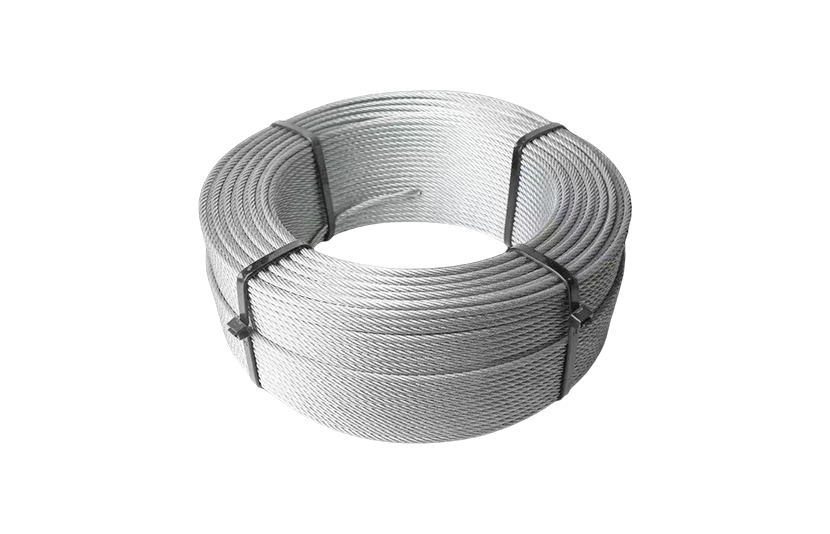
Isa sa pinakamahalagang aplikasyon ng High Tensile Steel Wire sa pagmamanupaktura ng sasakyan ay ang mga suspension system. Ang mga suspension spring na gawa sa high tensile steel wire ay sumusuporta sa bigat ng sasakyan, sumisipsip ng impact sa kalsada, at nagpapanatili ng katatagan sa pagmamaneho.
Ang high tensile steel wire na ginagamit sa mga suspension spring ay dapat makatiis sa paulit-ulit na compression at extension cycle habang pinapanatili ang matatag na performance. Ang mahusay nitong fatigue resistance ay nakakatulong na mapabuti ang tibay ng sasakyan at mabawasan ang panganib ng pagkasira ng spring sa matagalang operasyon.
Mga Bahagi ng Makina at Mekanikal
Kasama rin sa mga Aplikasyon ng High Tensile Steel Wire ang iba't ibang mekanikal na bahagi ng sasakyan na nangangailangan ng mataas na lakas at tumpak na pagganap. Ang mga bahaging ito ay dapat gumana sa ilalim ng init, panginginig ng boses, at patuloy na mekanikal na presyon.
Ang mga katangian ng superior na lakas ng high tensile steel wire ay nagbibigay-daan sa mga piyesa ng sasakyan na makamit ang mas mahusay na pagganap habang pinapanatili ang mga compact na disenyo. Ang bentaheng ito ay sumusuporta sa pagbuo ng mas mahusay at maaasahang mga sistema ng sasakyan.
Mga Sistema ng Kaligtasan ng Sasakyan
Ang kaligtasan ay isang kritikal na kinakailangan sa pagmamanupaktura ng sasakyan. Ang high tensile steel wire ay nakakatulong sa mga aplikasyon ng kaligtasan sa sasakyan sa pamamagitan ng pagbibigay ng maaasahang lakas at resistensya sa deformation sa iba't ibang bahagi ng istruktura.
Dahil sa mahusay na tensile performance at matatag na kalidad, ang high tensile steel wire ay nakakatulong sa mga tagagawa ng sasakyan na bumuo ng mga bahaging nakakatugon sa mahigpit na mga kinakailangan sa pagganap. Ang mga Aplikasyong High Tensile Steel Wire na ito ay sumusuporta sa mas ligtas at mas matibay na mga disenyo ng sasakyan.
Mga Aplikasyon ng High Tensile Steel Wire sa mga Industriyal na Larangan
Ang mga larangang industriyal ay nangangailangan ng mga materyales na kayang gumana sa ilalim ng matinding mga kondisyon sa pagtatrabaho. Ang mga Aplikasyon ng High Tensile Steel Wire ay nagbibigay ng mga solusyon para sa makinarya, kagamitan, sistema ng transportasyon, at mga istrukturang pang-industriya na nangangailangan ng mataas na lakas at maaasahang operasyon.
Kagamitan sa Pagbubuhat at Paghawak ng Materyales
Ang high tensile steel wire ay malawakang ginagamit sa mga industriyal na sistema ng pagbubuhat dahil kaya nitong tiisin ang mabibigat na karga at paulit-ulit na tensyon. Ang kagamitang ginagamit para sa pagbubuhat, paghila, at pagsuporta sa mabibigat na materyales ay nangangailangan ng mga produktong alambre na may mahusay na lakas at kaligtasan.
Ang mga aplikasyon ng High Tensile Steel Wire sa mga sistema ng pagbubuhat ay nagpapabuti sa pagiging maaasahan ng operasyon at binabawasan ang downtime ng kagamitan. Ang kombinasyon ng lakas, kakayahang umangkop, at tibay ay ginagawang angkop ang high tensile steel wire para sa mga mahihirap na kapaligirang pang-industriya.
Mga Bahagi ng Makinaryang Pang-industriya
Ang mga makinaryang pang-industriya ay kadalasang gumagana sa ilalim ng mataas na presyon, patuloy na paggalaw, at mabibigat na workload. Ang high tensile steel wire ay nagbibigay ng maaasahang pagganap sa mga mekanikal na bahagi na nangangailangan ng mahusay na resistensya sa stress at pagkasira.
Mula sa mga kagamitan sa pagmamanupaktura hanggang sa mga sistema ng automation, ang mga Aplikasyon ng High Tensile Steel Wire ay nakakatulong na mapabuti ang katatagan ng makina at buhay ng serbisyo. Sinusuportahan ng materyal ang mahusay na produksyong industriyal sa pamamagitan ng pagpapanatili ng pare-parehong mekanikal na pagganap.
Pang-agrikultura at Pangkalahatang Gamit sa Industriya
Ang high tensile steel wire ay ginagamit din sa mga kagamitang pang-agrikultura, mga sistema ng bakod, mga suportang istruktura, at iba't ibang produktong industriyal. Ang mga aplikasyon na ito ay nangangailangan ng mga materyales na maaaring mapanatili ang lakas sa mga panlabas at mapaghamong kapaligiran.
Dahil sa mahusay na tibay at kakayahang umangkop nito, ang high tensile steel wire ay patuloy na lumalawak sa iba't ibang larangan ng industriya. Ang malawak na hanay ng mga Aplikasyon ng High Tensile Steel Wire ay nagpapakita ng kahalagahan ng materyal na ito sa modernong pagmamanupaktura.
Proseso ng Paggawa ng High Tensile Steel Wire
Ang kalidad ng high tensile steel wire ay nakasalalay sa mga advanced na proseso ng pagmamanupaktura at mahigpit na kontrol sa produksyon. Karaniwang kinabibilangan ng proseso ng pagmamanupaktura ang pagpili ng hilaw na materyales, heat treatment, wire drawing, surface treatment, at quality inspection.
Pagpili ng Hilaw na Materyales
Pinipili ang mga de-kalidad na materyales na bakal upang matiyak ang mahusay na mga mekanikal na katangian. Ang wastong pagkontrol sa komposisyong kemikal ay nakakatulong na makamit ang kinakailangang lakas ng pag-igting, tibay, at tibay.
Proseso ng Pagguhit ng Kawad
Binabawasan ng proseso ng pagbunot ng alambre ang diyametro ng alambreng bakal habang pinapataas ang lakas sa pamamagitan ng kontroladong deformasyon. Maaaring ilapat ang maraming hakbang sa pagbunot upang makamit ang tumpak na mga sukat at pinahusay na mekanikal na pagganap.
Paggamot sa Init
Pinapabuti ng heat treatment ang panloob na istruktura ng alambreng bakal at pinahuhusay ang lakas at kakayahang umangkop nito. Tinitiyak ng wastong kontrol sa temperatura ang matatag na pagganap para sa iba't ibang Aplikasyon ng High Tensile Steel Wire.
Inspeksyon sa Kalidad
Mahalaga ang inspeksyon ng kalidad upang matiyak ang maaasahang pagganap ng high tensile steel wire. Maaaring kabilang sa mga pamamaraan ng pagsubok ang pagsubok sa tensile strength, inspeksyon ng dimensyon, pagsusuri sa ibabaw, at pagsusuri ng pagganap ng pagkapagod.
Paano Pumili ng High Tensile Steel Wire para sa Iba't Ibang Aplikasyon
Ang pagpili ng tamang high tensile steel wire ay nangangailangan ng pagsasaalang-alang sa mga kondisyon ng aplikasyon, kinakailangang lakas, kapaligiran sa pagtatrabaho, at mga kinakailangan sa pagproseso. Ang iba't ibang aplikasyon ng High Tensile Steel Wire ay maaaring mangailangan ng iba't ibang espesipikasyon ng alambre.
Mga Kinakailangan sa Lakas ng Tensile: Pumili ng alambreng bakal ayon sa kinakailangang kapasidad ng pagkarga at mga kondisyon ng pagpapatakbo.
Kapaligiran sa Aplikasyon: Isaalang-alang ang mga salik tulad ng temperatura, kahalumigmigan, pagkakalantad sa kalawang, at mekanikal na stress.
Diametro ng Alambre: Pumili ng mga angkop na sukat batay sa mga kinakailangan sa istruktura at mga kondisyon ng pag-install.
Paggamot sa Ibabaw: Pumili ng angkop na mga paraan ng proteksyon sa ibabaw kapag kinakailangan ang resistensya sa kalawang.
Katatagan ng Pagganap: Tiyaking ang alambreng bakal ay nagbibigay ng pare-parehong kalidad para sa pangmatagalang operasyon.
Pag-unlad sa Hinaharap ng mga Aplikasyon ng High Tensile Steel Wire
Dahil sa patuloy na pag-unlad sa teknolohiya ng konstruksyon, inhinyeriya ng sasakyan, at industriyal na pagmamanupaktura, ang pangangailangan para sa mga Aplikasyon ng High Tensile Steel Wire ay patuloy na tataas. Naghahanap ang mga industriya ng mga materyales na nagbibigay ng mas mataas na lakas, pinahusay na kahusayan, at mas mahabang buhay ng serbisyo.
Ang pag-unlad ng high tensile steel wire sa hinaharap ay tututok sa pagpapabuti ng pagganap ng materyal, pag-optimize ng teknolohiya ng produksyon, at paglikha ng mga solusyon para sa mas mahigpit na aplikasyon. Ang mga magaan na istruktura, mga sasakyang matipid sa enerhiya, at mga advanced na kagamitang pang-industriya ay higit na magpapalawak sa paggamit ng high tensile steel wire.
Mga Madalas Itanong Tungkol sa mga Aplikasyon ng High Tensile Steel Wire
Ano ang mga pangunahing aplikasyon ng High Tensile Steel Wire?
Ang mga pangunahing Aplikasyon ng High Tensile Steel Wire ay kinabibilangan ng pampalakas sa konstruksyon, inhinyeriya ng tulay, mga bahagi ng sasakyan, makinarya pang-industriya, kagamitan sa pagbubuhat, at iba't ibang aplikasyon sa istruktura na nangangailangan ng mataas na tibay.
Bakit angkop para sa paggamit sa industriya ang high tensile steel wire?
Ang high tensile steel wire ay nagbibigay ng mahusay na lakas, resistensya sa pagkapagod, tibay, at matatag na pagganap, kaya angkop ito para sa mga industriyal na kapaligiran na may mabibigat na karga at patuloy na operasyon.
Paano napapabuti ng high tensile steel wire ang performance ng konstruksyon?
Pinapahusay ng high tensile steel wire ang performance ng konstruksyon sa pamamagitan ng pagpapalakas ng istruktura, pagbabawas ng mga kinakailangan sa materyal, at pagbibigay ng mas mahusay na resistensya laban sa mga panlabas na puwersa at pangmatagalang stress.
Anong mga salik ang nakakaapekto sa pagganap ng high tensile steel wire?
Ang mga salik na nakakaapekto sa pagganap ay kinabibilangan ng kalidad ng materyal, teknolohiya sa pagmamanupaktura, lakas ng tensile, diyametro ng alambre, paggamot sa ibabaw, at kapaligiran ng aplikasyon.
Konklusyon
Ang mga aplikasyon ng High Tensile Steel Wire ay sumasaklaw sa malawak na hanay ng mga industriya, kabilang ang konstruksyon, automotive, at mga larangang pang-industriya. Dahil sa natatanging tensile strength, tibay, resistensya sa pagkapagod, at maaasahang pagganap, ang high tensile steel wire ay naging isang mahalagang materyal para sa mga modernong solusyon sa inhinyeriya.
Mula sa mga sistema ng pampalakas ng konstruksyon at tulay hanggang sa mga bahagi ng sasakyan at makinarya pang-industriya, ang mga aplikasyon ng High Tensile Steel Wire ay patuloy na sumusuporta sa mas ligtas, mas matibay, at mas mahusay na mga produkto. Habang umuunlad ang teknolohiya, ang high tensile steel wire ay mananatiling isang mahalagang materyal para sa pag-unlad ng industriya sa hinaharap.


 E-mail:
 Address: No. 508, Guangxing Road, Baishan Town, Bo'ai County, Jiaozuo City, Henan Province



 Telepono
Magkomento
(0)