Galvanized Steel Wire vs Stainless Steel Wire: Alin ang Mas Mainam para sa mga Panlabas na Gamit?
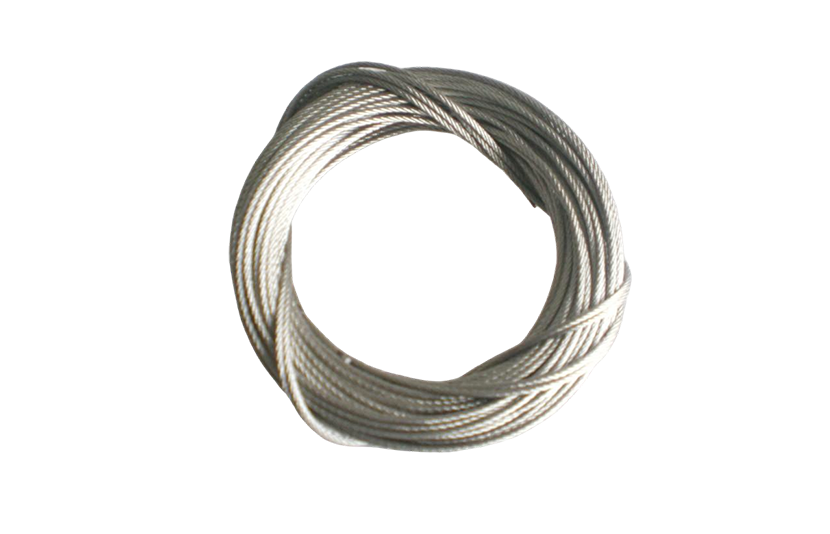
Kapag pumipili ng alambreng bakal para sa mga panlabas na aplikasyon, ang pagpili ng tamang materyal ay mahalaga para sa pagkamit ng mahabang buhay ng serbisyo, maaasahang pagganap, at kahusayan sa gastos. Ang paghahambing sa pagitan ng Galvanized Steel Wire at Stainless Steel Wire ay isa sa mga pinakakaraniwang paksa sa konstruksyon, agrikultura, bakod, imprastraktura, at mga proyektong pang-industriya.
Ang Galvanized Steel Wire at Stainless Steel Wire ay parehong dinisenyo upang magbigay ng resistensya sa kalawang at tibay, ngunit nakakamit nila ang proteksyon sa magkaibang paraan. Ang Galvanized Steel Wire ay gumagamit ng zinc coating upang protektahan ang steel core mula sa kalawang, habang ang Stainless Steel Wire ay umaasa sa mga elemento ng haluang metal na natural na bumubuo ng isang proteksiyon na oxide layer sa ibabaw.
Ang pag-unawa sa mga pagkakaiba sa pagitan ng Galvanized Steel Wire at Stainless Steel Wire ay nakakatulong sa mga inhinyero, kontratista, at mamimili na pumili ng pinakaangkop na materyal ayon sa mga kondisyon ng kapaligiran, mga kinakailangan sa pagganap, at badyet ng proyekto.
Para sa maraming panlabas na aplikasyon, ang Galvanized Steel Wire ay nagbibigay ng mahusay na balanse sa pagitan ng resistensya sa kalawang, lakas ng makina, at pagiging epektibo sa gastos. Ang Stainless Steel Wire ay nag-aalok ng higit na mahusay na resistensya sa kalawang sa mas agresibong mga kapaligiran ngunit kadalasan ay may mas mataas na gastos sa materyal.
Ano ang Galvanized Steel Wire?
Ang Galvanized Steel Wire ay isang produktong alambreng bakal na pinahiran ng zinc upang mapabuti ang resistensya sa kalawang at pahabain ang buhay ng serbisyo. Ang zinc coating ay lumilikha ng proteksiyon na harang sa pagitan ng core ng bakal at mga panlabas na salik sa kapaligiran tulad ng kahalumigmigan, oxygen, kemikal, at pagkakalantad sa panahon.
Ang pinakakaraniwang paraan ng produksyon para sa Galvanized Steel Wire ay ang hot-dip galvanizing. Sa prosesong ito, ang nilinis na steel wire ay inilulubog sa tinunaw na zinc, na nagpapahintulot sa zinc na dumikit sa ibabaw ng bakal at bumuo ng isang matibay na proteksiyon na layer.
Ang pangunahing bentahe ng Galvanized Steel Wire ay ang kombinasyon ng lakas ng bakal at proteksyon laban sa kalawang gamit ang zinc. Dahil dito, angkop ang Galvanized Steel Wire para sa mga panlabas na aplikasyon na nangangailangan ng tibay, kakayahang umangkop, at matipid na pagganap.
Dahil sa maaasahang proteksyon at mapagkumpitensyang gastos nito, ang Galvanized Steel Wire ay malawakang ginagamit sa bakod, pagpapatibay ng konstruksyon, mga istrukturang pang-agrikultura, mga sistema ng komunikasyon, wire mesh, at mga aplikasyong pang-industriya.
Ano ang alambreng hindi kinakalawang na asero?
Ang alambreng hindi kinakalawang na asero ay isang produktong alambreng bakal na naglalaman ng mga elemento ng haluang metal na nagpapabuti sa resistensya sa kalawang. Ang pagdaragdag ng chromium ay lumilikha ng isang passive surface layer na nagpoprotekta sa alambre mula sa oksihenasyon at pinsala sa kapaligiran.
Hindi tulad ng Galvanized Steel Wire, ang Stainless Steel Wire ay hindi umaasa sa panlabas na zinc coating. Sa halip, ang resistensya nito sa kalawang ay nagmumula sa mismong komposisyon ng materyal.
Ang alambreng hindi kinakalawang na asero ay nagbibigay ng mahusay na resistensya laban sa kahalumigmigan, mga kemikal, at mga kapaligirang may mataas na temperatura. Madalas itong pinipili para sa mga aplikasyon kung saan mahalaga ang higit na mahusay na resistensya sa kalawang, mga kinakailangan sa kalinisan, o pangmatagalang anyo.
Gayunpaman, ang mas mataas na nilalaman ng haluang metal ay nagpapamahal sa Stainless Steel Wire kaysa sa Galvanized Steel Wire sa maraming aplikasyon. Samakatuwid, ang pagpili ng materyal ay nakasalalay sa pagbabalanse ng mga kinakailangan sa pagganap at mga gastos sa proyekto.
Galvanized Steel Wire vs Stainless Steel Wire: Pangunahing Paghahambing
| Salik ng Paghahambing | Galvanized na Bakal na Kawad | Hindi Kinakalawang na Bakal na Kawad |
|---|
| Paraan ng Proteksyon | Proteksyon ng patong na zinc | Paglaban sa kalawang na nakabatay sa haluang metal |
| Paglaban sa Kaagnasan | Napakahusay para sa pangkalahatang panlabas na kapaligiran | Superior para sa malupit na kapaligiran |
| Gastos | Mas matipid | Mas mataas na gastos sa materyal |
| Lakas | Mataas na lakas ng makina | Mataas na lakas na may resistensya sa kalawang |
| Pagpapanatili | Mababang mga kinakailangan sa pagpapanatili | Napakababang mga kinakailangan sa pagpapanatili |
| Mga Karaniwang Aplikasyon | Konstruksyon, bakod, agrikultura, imprastraktura | Mga kapaligirang pandagat, kemikal, pagkain, at may mataas na kalawang |
Paghahambing sa Paglaban sa Kaagnasan: Galvanized Steel Wire vs Stainless Steel Wire
Proteksyon sa Kaagnasan ng Galvanized Steel Wire
Ang resistensya sa kalawang ng Galvanized Steel Wire ay nagmumula sa zinc coating na inilapat sa ibabaw ng bakal. Ang zinc ay nagsisilbing proteksiyon na patong at pumipigil sa mga kinakaing sangkap na makarating sa core ng bakal.
Isa sa mga pangunahing bentahe ng Galvanized Steel Wire ay ang proteksyon laban sa mga sakripisyo. Ang zinc ay mas aktibo sa kemikal kaysa sa bakal, kaya't ito ang unang kumakalat at pinoprotektahan ang mga nakalantad na bahagi ng bakal kahit na may kaunting pinsala sa ibabaw.
Para sa mga normal na panlabas na kapaligiran, kabilang ang mga lugar ng konstruksyon, mga lugar na pang-agrikultura, at mga pangkalahatang proyekto sa imprastraktura, ang Galvanized Steel Wire ay nagbibigay ng maaasahang resistensya sa kalawang at mahabang buhay ng serbisyo.
Proteksyon sa Kaagnasan ng Kawad na Hindi Kinakalawang na Bakal
Nakakamit ng alambreng hindi kinakalawang ang resistensya sa kalawang sa pamamagitan ng istrukturang haluang metal nito. Ang Chromium ay tumutugon sa oxygen upang lumikha ng isang passive protective layer na pumipigil sa karagdagang oksihenasyon.
Kung ikukumpara sa Galvanized Steel Wire, ang Stainless Steel Wire ay mas mahusay na gumagana sa mga kapaligirang lubhang kinakaing unti-unti tulad ng pagkakalantad sa tubig-alat, mga lugar na pinoproseso ng kemikal, at mga kondisyon na may mataas na temperatura.
Gayunpaman, para sa maraming karaniwang panlabas na aplikasyon, ang resistensya sa kalawang na ibinibigay ng Galvanized Steel Wire ay sapat na at nagbibigay ng mas mahusay na halagang pang-ekonomiya.
Galvanized Steel Wire vs Stainless Steel Wire: Paghahambing ng Katatagan
Ang Galvanized Steel Wire ay nag-aalok ng mahusay na tibay dahil pinoprotektahan ng zinc coating ang steel core mula sa pinsala mula sa kalawang. Ang buhay ng serbisyo ay nakasalalay sa mga salik tulad ng kapal ng zinc coating, mga kondisyon sa kapaligiran, at mga kinakailangan sa aplikasyon.
Sa maraming panlabas na kapaligiran, ang Galvanized Steel Wire ay maaaring magbigay ng mga taon ng maaasahang pagganap habang pinapanatili ang mekanikal na lakas at katatagan ng istruktura.
Buhay ng Serbisyo ng Hindi Kinakalawang na Bakal na Kawad
Ang alambreng hindi kinakalawang na asero sa pangkalahatan ay nagbibigay ng mas mahabang buhay ng serbisyo sa mga lubhang agresibong kapaligiran dahil ang resistensya sa kaagnasan ay nakapaloob sa mismong materyal.
Gayunpaman, sa katamtamang mga panlabas na kapaligiran, ang karagdagang resistensya sa kalawang ng Stainless Steel Wire ay maaaring hindi palaging magbigay ng malaking bentahe kumpara sa pagkakaiba sa presyo.
Paghahambing ng Lakas sa Pagitan ng Galvanized Steel Wire at Stainless Steel Wire
Ang Galvanized Steel Wire at Stainless Steel Wire ay parehong nagbibigay ng mahusay na mekanikal na pagganap, ngunit ang kanilang mga katangian ay nag-iiba depende sa grado ng materyal, diyametro, at proseso ng paggawa.
Ang Galvanized Steel Wire ay malawak na kinikilala dahil sa mataas na tensile strength at mahusay na flexibility nito. Ang steel core ay nagbibigay ng matibay na kakayahan sa pagdadala ng bigat, kaya angkop ito para sa bakod, mga istrukturang sumusuporta, wire mesh, at mga aplikasyong pang-industriya.
Ang alambreng hindi kinakalawang na asero ay nagbibigay din ng matibay na mekanikal na katangian, lalo na kapag ginagamit sa mga aplikasyon na nangangailangan ng resistensya sa kalawang at pagpapanatili ng anyo. Gayunpaman, ang tiyak na lakas ay nakasalalay sa grado ng hindi kinakalawang na asero at paraan ng pagproseso.
Para sa maraming pangkalahatang aplikasyon sa labas, ang Galvanized Steel Wire ay nag-aalok ng praktikal na kombinasyon ng lakas, proteksyon laban sa kalawang, at kahusayan sa gastos.
Paghahambing ng Gastos: Galvanized Steel Wire vs Stainless Steel Wire
Ang gastos ay isang mahalagang salik sa pagpili ng mga materyales para sa malakihang mga proyekto sa labas. Sa karamihan ng mga kaso, ang Galvanized Steel Wire ay mas matipid kaysa sa Stainless Steel Wire dahil ang zinc coating ay nagbibigay ng epektibong proteksyon laban sa kalawang sa mas mababang gastos sa materyal.
Para sa mga aplikasyon tulad ng bakod, mga sistema ng suporta sa agrikultura, mga produktong alambre sa konstruksyon, at pangkalahatang imprastraktura, ang Galvanized Steel Wire ay kadalasang nagbibigay ng pinakamahusay na balanse sa pagitan ng pagganap at pamumuhunan.
Maaaring mas mataas ang paunang gastos sa alambreng hindi kinakalawang na asero, ngunit maaari itong maging makatwiran kapag ang mga aplikasyon ay nangangailangan ng pinakamataas na resistensya sa kalawang, kemikal na resistensya, o pangmatagalang anyo.
Paghahambing ng Aplikasyon sa Labas: Galvanized Steel Wire vs Stainless Steel Wire
Ang pagpili sa pagitan ng Galvanized Steel Wire at Stainless Steel Wire ay higit na nakadepende sa panlabas na kapaligiran, inaasahang tagal ng serbisyo, at mga kinakailangan sa pagganap. Bagama't ang parehong materyales ay nagbibigay ng proteksyon laban sa kalawang, ang mga ito ay dinisenyo para sa iba't ibang kondisyon ng aplikasyon.
1. Mga Aplikasyon sa Pagbabakod
Ang bakod ay isa sa mga pinakakaraniwang gamit sa labas para sa alambreng bakal. Ang Galvanized Steel Wire ay malawakang ginagamit para sa mga bakod na pang-agrikultura, mga bakod na pangseguridad, mga pananggalang na harang, at mga sistema ng wire mesh dahil nagbibigay ito ng mahusay na resistensya sa kalawang sa makatwirang halaga.
Pinoprotektahan ng zinc coating sa Galvanized Steel Wire ang alambre mula sa ulan, halumigmig, at pagkakalantad sa labas. Ang mataas na tibay at kakayahang umangkop nito ay ginagawang madali itong i-install at angkop para sa malalaking proyekto ng bakod.
Maaari ring gamitin ang Stainless Steel Wire para sa mga aplikasyon sa bakod, lalo na kung saan kinakailangan ang hitsura, resistensya sa kemikal, o matinding proteksyon sa kapaligiran. Gayunpaman, para sa karamihan ng mga pangkalahatang proyekto sa panlabas na bakod, ang Galvanized Steel Wire ay nagbibigay ng mas matipid na solusyon.
2. Mga Aplikasyon sa Agrikultura
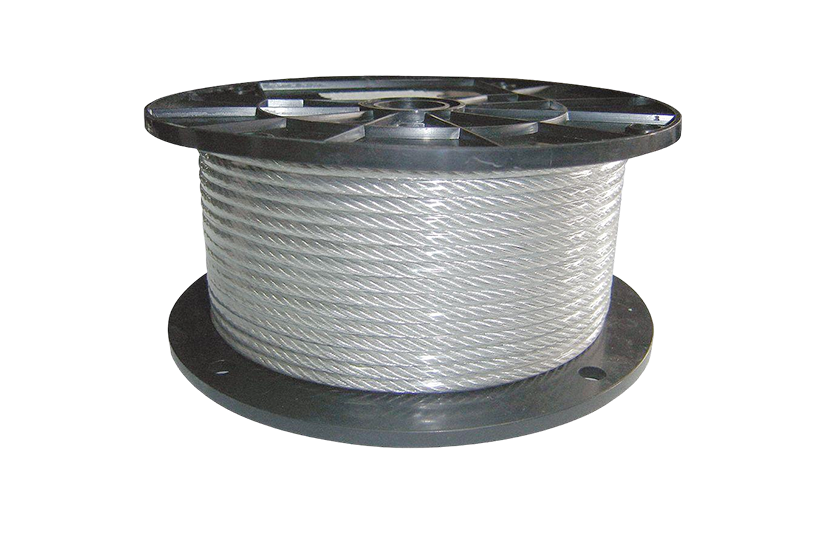
Ang mga kapaligirang pang-agrikultura ay nangangailangan ng mga materyales na kayang tiisin ang halumigmig, pagdikit sa lupa, pagbabago ng temperatura, at pagkakalantad sa labas. Ang Galvanized Steel Wire ay karaniwang ginagamit sa bakod para sa mga hayop, mga sistema ng suporta sa ubasan, mga istruktura ng greenhouse, at mga aplikasyon ng suporta sa pananim.
Ang zinc coating na lumalaban sa kalawang ay nakakatulong sa Galvanized Steel Wire na mapanatili ang lakas at tibay sa mga kapaligirang pang-agrikultura. Binabawasan nito ang mga kinakailangan sa pagpapanatili at pinapahaba ang buhay ng serbisyo ng mga istrukturang pang-sakahan.
Bagama't ang Stainless Steel Wire ay nag-aalok ng mas mataas na resistensya sa kalawang, ang mas mataas na halaga nito ay kadalasang ginagawa itong hindi gaanong praktikal para sa malalaking proyektong pang-agrikultura kung saan mahalaga ang kahusayan sa gastos.
3. Mga Aplikasyon sa Konstruksyon at Imprastraktura
Ang mga proyekto sa konstruksyon at imprastraktura ay nangangailangan ng mga materyales na may maaasahang lakas at pangmatagalang tibay. Ang Galvanized Steel Wire ay malawakang ginagamit sa mga sistema ng suporta sa konstruksyon, wire mesh, mga aplikasyon ng reinforcement, at mga istrukturang proteksiyon.
Para sa mga panlabas na kapaligiran ng konstruksyon, ang Galvanized Steel Wire ay nagbibigay ng mabisang proteksyon laban sa mga kondisyon ng panahon habang pinapanatili ang mekanikal na pagganap.
Ang alambreng hindi kinakalawang na asero ay karaniwang pinipili para sa mga espesyal na aplikasyon sa konstruksyon kung saan ang pagkakalantad sa mga kemikal, tubig-alat, o mga kapaligirang lubos na kinakaing unti-unti ay nangangailangan ng karagdagang proteksyon.
4. Mga Aplikasyon sa Dagat at Baybayin
Ang mga kapaligirang pandagat at baybayin ay nagtataglay ng mataas na antas ng asin at halumigmig, na nagpapabilis ng kalawang. Sa ganitong mga kondisyon, ang alambreng hindi kinakalawang na asero sa pangkalahatan ay nagbibigay ng mas mahusay na resistensya sa kalawang kaysa sa karaniwang alambreng galvanized na bakal.
Gayunpaman, ang espesyal na ginamot na Galvanized Steel Wire na may angkop na kapal ng zinc coating ay maaari pa ring gumana nang maayos sa maraming panlabas na kapaligiran na may wastong pagpili ng aplikasyon.
Para sa matinding kondisyon sa dagat na nangangailangan ng pinakamataas na proteksyon laban sa kalawang, ang Stainless Steel Wire ay maaaring ang mas mainam na pagpipilian. Para sa pangkalahatang panlabas at baybaying aplikasyon kung saan mahalaga ang mga konsiderasyon sa badyet, ang Galvanized Steel Wire ay nananatiling isang praktikal na opsyon.
Mga Bentahe ng Galvanized Steel Wire
1. Napakahusay na Balanse sa Pagitan ng Pagganap at Gastos
Isa sa mga pinakamalaking bentahe ng Galvanized Steel Wire ay ang mahusay nitong balanse sa pagitan ng resistensya sa kalawang, lakas, at gastos. Nagbibigay ito ng maaasahang pagganap sa labas nang walang mataas na gastos sa materyal na nauugnay sa ilang mga haluang metal na lumalaban sa kalawang.
Para sa mga malalaking proyektong kinasasangkutan ng libu-libong metro ng alambre, ang Galvanized Steel Wire ay maaaring makabuluhang makabawas sa mga gastos sa materyal habang pinapanatili ang maaasahang kalidad.
2. Maaasahang Proteksyon sa Kaagnasan
Ang zinc coating ng Galvanized Steel Wire ay nagbibigay ng mabisang proteksyon laban sa kalawang at oksihenasyon. Ang coating ay nagsisilbing harang at nagbibigay ng sakripisyong proteksyon sa core ng bakal.
Ang proteksyong ito mula sa kalawang ay nagbibigay-daan sa Galvanized Steel Wire na mapanatili ang performance nito sa mga panlabas na kapaligiran na nakalantad sa ulan, halumigmig, at pabago-bagong kondisyon ng panahon.
3. Mataas na Lakas at Kakayahang umangkop
Pinagsasama ng Galvanized Steel Wire ang lakas ng bakal at ang proteksyon ng zinc coating. Kaya nitong tiisin ang mekanikal na stress, mga puwersa ng paghila, at pangmatagalang panlabas na karga.
Ang kakayahang umangkop nito ay nagbibigay-daan din sa madaling pagproseso, kabilang ang pagbaluktot, pag-ikot, paghabi, at paghubog, na ginagawang angkop ang Galvanized Steel Wire para sa iba't ibang aplikasyon.
4. Madaling Pagproseso at Pag-install
Madaling hawakan at i-install ang Galvanized Steel Wire dahil sa mahusay nitong flexibility at pare-parehong kalidad ng ibabaw. Maaari itong gamitin para sa produksyon ng wire mesh, mga sistema ng bakod, mga aplikasyon ng binding, at suporta sa istruktura.
Ang maginhawang katangian sa pagproseso ng Galvanized Steel Wire ay nagpapabuti sa kahusayan sa pag-install at binabawasan ang mga kinakailangan sa paggawa.
Mga Bentahe ng Hindi Kinakalawang na Bakal na Kawad
1. Superior na Paglaban sa Kaagnasan
Ang pangunahing bentahe ng alambreng hindi kinakalawang na asero ay ang mahusay nitong resistensya sa kalawang. Ang komposisyon ng haluang metal nito ay nagbibigay ng matibay na proteksyon laban sa oksihenasyon, mga kemikal, at agresibong kapaligiran.
Para sa mga aplikasyon na nakalantad sa tubig-dagat, mga kemikal, o matinding kondisyon ng panahon, ang Stainless Steel Wire ay nagbibigay ng pangmatagalang pagganap.
2. Napakahusay na Pagpapanatili ng Hitsura
Ang alambreng hindi kinakalawang na asero ay nagpapanatili ng malinis at kaakit-akit na anyo sa mahabang panahon. Ginagawa itong angkop para sa mga aplikasyon kung saan mahalaga ang parehong gamit at anyo.
Sa mga arkitektura at pandekorasyon na panlabas na aplikasyon, ang Stainless Steel Wire ay maaaring magbigay ng mas mahusay na visual na pagganap kaysa sa Galvanized Steel Wire.
3. Mataas na Paglaban sa mga Kapaligiran na Kemikal
Ang alambreng hindi kinakalawang na asero ay mahusay na gumagana sa mga kapaligiran kung saan ang pagkakalantad sa kemikal ay maaaring magpabilis ng kalawang. Karaniwan itong pinipili para sa mga espesyal na aplikasyon na nangangailangan ng advanced na proteksyon laban sa kalawang.
Alin ang Mas Mainam para sa mga Panlabas na Aplikasyon?
Ang sagot ay depende sa partikular na aplikasyon sa labas. Walang iisang materyal na laging mas mainam sa bawat sitwasyon. Ang pagpili sa pagitan ng Galvanized Steel Wire at Stainless Steel Wire ay dapat isaalang-alang ang mga kondisyon sa kapaligiran, mga kinakailangan sa pagganap, at mga limitasyon sa badyet.
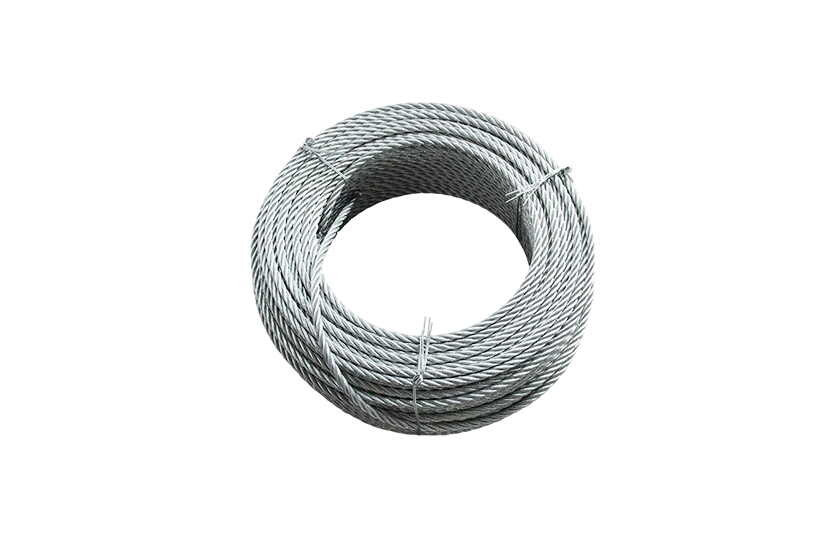
Pumili ng Galvanized Steel Wire Kapag:
Kinakailangan ang pangkalahatang resistensya sa kalawang mula sa labas.
Ang proyekto ay nangangailangan ng mataas na lakas at kahusayan sa gastos.
Kasama sa aplikasyon ang bakod, agrikultura, konstruksyon, o imprastraktura.
Kailangan ang malaking dami ng alambreng bakal.
Mahalaga ang mahabang buhay ng serbisyo na may makatwirang pamumuhunan.
Pumili ng Hindi Kinakalawang na Bakal na Kawad Kapag:
Ang kapaligiran ay may matinding kondisyon ng kalawang.
Ang aplikasyon ay kinabibilangan ng pagkakalantad sa tubig-alat o kemikal.
Kinakailangan ang pinakamataas na resistensya sa kalawang.
Mahalaga ang hitsura at kalidad ng ibabaw.
Ang mas mataas na gastos sa materyal ay katanggap-tanggap para sa pinahusay na pagganap.
Paano Pumili ng Tamang Kawad na Bakal para sa Labas
Ang pagpili sa pagitan ng Galvanized Steel Wire at Stainless Steel Wire ay nangangailangan ng pagsusuri sa ilang mahahalagang salik.
1. Pagkakalantad sa Kapaligiran
Isaalang-alang kung ang alambre ay malantad sa ulan, halumigmig, asin, mga kemikal, o matinding temperatura. Ang mga normal na kondisyon sa labas ay karaniwang angkop para sa Galvanized Steel Wire, habang ang mga lubhang agresibong kapaligiran ay maaaring mangailangan ng Stainless Steel Wire.
2. Kinakailangang Buhay ng Serbisyo
Ang mga proyektong nangangailangan ng pangmatagalang operasyon ay dapat isaalang-alang ang inaasahang tagal ng serbisyo. Ang Galvanized Steel Wire ay nagbibigay ng mahusay na tibay para sa maraming panlabas na aplikasyon, habang ang Stainless Steel Wire ay nag-aalok ng karagdagang proteksyon sa mga matitinding kondisyon.
3. Badyet ng Proyekto
Ang badyet ay isang mahalagang salik sa pagpili ng materyal. Ang Galvanized Steel Wire ay nagbibigay ng mahusay na pagganap sa isang kompetitibong gastos, kaya angkop ito para sa malakihang mga proyektong pang-industriya at konstruksyon.
4. Mga Kinakailangang Mekanikal
Dapat suriin ang diyametro ng alambre, lakas ng tensile, kakayahang umangkop, at mga kinakailangan sa pagproseso bago pumili. Ang Galvanized Steel Wire at Stainless Steel Wire ay parehong maaaring magbigay ng matibay na mekanikal na pagganap kapag napili nang maayos.
Mga Madalas Itanong Tungkol sa Galvanized Steel Wire vs Stainless Steel Wire
Mas mainam ba ang Galvanized Steel Wire kaysa sa Stainless Steel Wire para sa panlabas na gamit?
Para sa maraming panlabas na gamit, ang Galvanized Steel Wire ay nagbibigay ng pinakamahusay na balanse ng resistensya sa kalawang, lakas, at gastos. Ang Stainless Steel Wire ay mas mainam para sa mga kapaligirang lubhang kinakaing unti-unti.
Kinakalawang ba ang Galvanized Steel Wire sa labas?
Ang Galvanized Steel Wire ay may matibay na resistensya sa kalawang dahil pinoprotektahan ng zinc coating ang steel core. Gayunpaman, ang performance ay nakadepende sa mga kondisyon ng kapaligiran at kapal ng coating.
Bakit mas mahal ang Stainless Steel Wire?
Ang alambreng hindi kinakalawang na asero ay naglalaman ng mga elemento ng haluang metal na nagbibigay ng mas mataas na resistensya sa kalawang. Ang karagdagang halaga ng materyal ay ginagawa itong mas mahal kaysa sa alambreng galvanized na bakal.
Maaari bang gamitin ang Galvanized Steel Wire malapit sa baybayin?
Oo, ang Galvanized Steel Wire ay maaaring gamitin sa maraming aplikasyon sa baybayin kapag napili ang tamang espesipikasyon ng zinc coating. Ang mga lubhang agresibong kapaligiran sa dagat ay maaaring mangailangan ng Stainless Steel Wire.
Konklusyon: Galvanized Steel Wire vs Stainless Steel Wire
Ang paghahambing sa pagitan ng Galvanized Steel Wire at Stainless Steel Wire ay nagpapakita na ang parehong materyales ay nagbibigay ng mahahalagang bentahe para sa mga panlabas na aplikasyon. Ang Galvanized Steel Wire ay nag-aalok ng mahusay na resistensya sa kalawang, mataas na lakas, kakayahang umangkop, at kahusayan sa gastos, kaya angkop ito para sa karamihan ng mga aplikasyon sa konstruksyon, agrikultura, bakod, at industriyal.
Ang alambreng hindi kinakalawang na asero ay nagbibigay ng higit na mahusay na resistensya sa kalawang at mainam para sa mga matinding kapaligiran kung saan kinakailangan ang pinakamataas na proteksyon. Gayunpaman, ang mas mataas na halaga nito ay nangangahulugan na kadalasan itong pinipili para sa mga espesyal na aplikasyon.
Para sa karamihan ng mga proyektong panlabas, ang Galvanized Steel Wire ay isang epektibo at matipid na pagpipilian na naghahatid ng maaasahang pagganap at mahabang buhay ng serbisyo. Sa pamamagitan ng pagsasaalang-alang sa mga kondisyon ng kapaligiran, mga kinakailangan sa pagganap, at mga salik sa badyet, maaaring pumili ang mga gumagamit ng pinakaangkop na solusyon sa steel wire para sa kanilang aplikasyon.

 English
 Español
 한국어
한국어 العربية
 Tiếng Việt


 E-mail:
 Address: No. 508, Guangxing Road, Baishan Town, Bo'ai County, Jiaozuo City, Henan Province



 Telepono
Magkomento
(0)