
 English
 Español
 한국어
한국어 العربية
 Tiếng Việt


Paliwanag sa Gabion Mesh: Istruktura, Mga Benepisyo, at Aplikasyon sa mga Proyekto sa Civil Engineering
Ang Gabion Mesh Explained ay nagbibigay ng kumpletong pag-unawa sa isa sa mga pinaka-malawak na ginagamit na flexible protection structure sa mga modernong proyekto sa civil engineering. Ang Gabion mesh ay isang wire mesh system na puno ng natural na mga bato o iba pang angkop na materyales upang lumikha ng matibay, matibay, at environment-adjusted na istruktura. Dahil sa mahusay nitong katatagan, flexibility, at drainage performance, ang gabion mesh ay naging isang mahalagang solusyon para sa pagkontrol ng erosyon, retaining wall, proteksyon ng ilog, at pagpapaunlad ng imprastraktura.
Sa gabay na ito tungkol sa Pagpapaliwanag ng Gabion Mesh, tatalakayin natin ang Istruktura ng Gabion Mesh, Mga Benepisyo ng Gabion Mesh, at Mga Aplikasyon ng Gabion Mesh sa iba't ibang Proyekto sa Inhinyerong Sibil. Ang pag-unawa sa mga prinsipyo ng disenyo, mga katangian ng materyal, at mga praktikal na bentahe ng gabion mesh ay nakakatulong sa mga inhinyero, kontratista, at tagaplano ng proyekto na pumili ng mga angkop na solusyon para sa iba't ibang kapaligiran sa konstruksyon.
Ang kakaibang istruktura ng gabion mesh ay nagbibigay-daan dito upang pagsamahin ang lakas at kakayahang umangkop. Hindi tulad ng matibay na istrukturang kongkreto, ang mga sistema ng gabion mesh ay maaaring umangkop sa paggalaw ng lupa at natural na pag-upo habang pinapanatili ang integridad ng istruktura. Dahil dito, ang gabion mesh ay isang maaasahang pagpipilian para sa mga proyektong nalalantad sa daloy ng tubig, paggalaw ng lupa, at pabago-bagong mga kondisyon sa kapaligiran.
Ano ang Gabion Mesh?
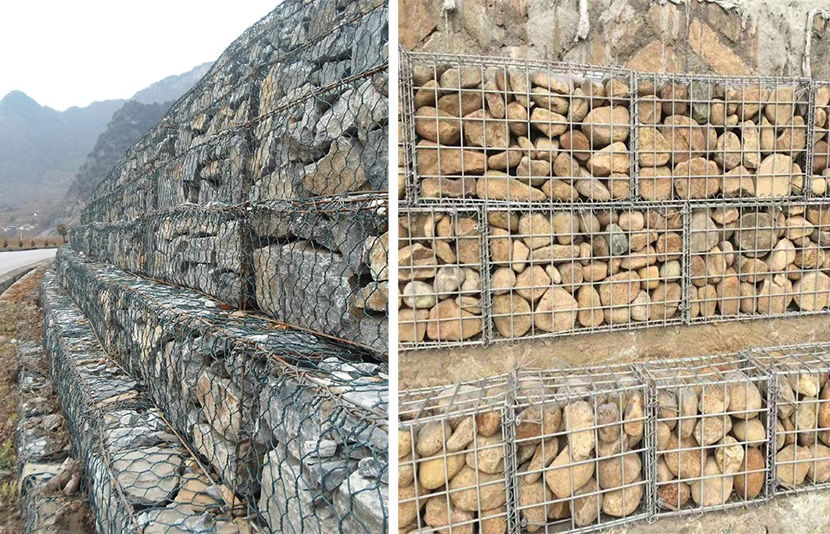
Ang Gabion mesh ay isang paunang-gawa na lalagyan ng wire mesh na idinisenyo upang punuin ng mga bato, bato, o iba pang materyales. Ang napunong istraktura ay bumubuo ng isang matatag na pananggalang na harang na maaaring lumaban sa erosyon, suportahan ang mga dalisdis, at mapabuti ang katatagan ng mga istruktura ng lupa.
Ang Istruktura ng Gabion Mesh ay karaniwang binubuo ng galvanized steel wire mesh, mga connecting wire, mga reinforcing component, at mga materyales na bato para sa pagpuno. Ang wire mesh ay lumilikha ng isang matibay na panlabas na balangkas, habang ang panloob na bato para sa pagpuno ay nagbibigay ng bigat, katatagan, at natural na drainage.
Malawakang ginagamit ang Gabion mesh sa mga Proyekto sa Inhinyerong Sibil dahil pinagsasama nito ang mekanikal na lakas at pagiging tugma sa kapaligiran. Ang bukas na istraktura ay nagpapahintulot sa tubig na dumaan habang binabawasan ang naiipong presyon sa likod ng istraktura, na ginagawa itong epektibo para sa mga pampang ng ilog, mga daluyan ng paagusan, at mga aplikasyon sa proteksyon ng dalisdis.
Istruktura at Disenyo ng Gabion Mesh
Ang Istrukturang Gabion Mesh ang pundasyon ng pagganap nito. Ang isang tipikal na sistema ng gabion mesh ay gumagamit ng hexagonal wire mesh o mga hinang na panel ng wire mesh na hinulma sa mga basket, kahon, kutson, o mga pasadyang hugis ayon sa mga kinakailangan ng proyekto.
Ang disenyo ng wire mesh ay nagbibigay ng mahusay na kakayahang umangkop at nagpapahintulot sa istraktura na sumipsip ng mga panlabas na puwersa. Kapag may paggalaw ng lupa o pag-upo sa lupa, ang Gabion Mesh Structure ay maaaring mag-adjust nang walang makabuluhang pagbibitak o pagkasira.
Ang mga pangunahing bahagi ng istrukturang Gabion Mesh ay kinabibilangan ng:
Mga Panel na Wire Mesh: Naglalaan ng pangunahing balangkas at naglalaman ng mga materyales sa pagpuno.
Pagkonekta ng mga Kable: Pagdugtungin ang iba't ibang seksyon ng mesh at pagbutihin ang katatagan ng istruktura.
Panloob na Pampalakas: Pinapalakas at pinapanatili ang hugis ng istrukturang gabion.
Pagpupuno ng Bato: Nagbibigay ng bigat, suporta, at resistensya laban sa mga panlabas na puwersa.
Ang kakayahang umangkop sa disenyo ng Gabion Mesh Structure ay nagbibigay-daan dito na ipasadya para sa iba't ibang Proyekto sa Civil Engineering, kabilang ang mga retaining wall, proteksyon sa tabing-ilog, paggawa ng kalsada, at landscape engineering.
Mga Materyales na Ginamit sa Konstruksyon ng Gabion Mesh
Ang pagpili ng materyal ay may mahalagang papel sa tibay at buhay ng serbisyo ng gabion mesh. Karaniwang pinipili ang mga de-kalidad na materyales na alambre upang matiyak ang lakas, resistensya sa kalawang, at pangmatagalang pagganap sa labas.
Ang galvanized steel wire ay malawakang ginagamit sa Gabion Mesh Construction dahil ang protective coating ay nagpapabuti sa resistensya laban sa moisture, oxidation, at weather exposure. Sa mga kapaligirang may mas mataas na panganib ng corrosion, maaaring maglapat ng mga karagdagang protective treatment upang mapabuti ang tibay.
Ang mga materyales na ginagamit sa pagpuno sa loob ng gabion mesh ay nakakaimpluwensya rin sa pagganap. Ang mga natural na bato na may angkop na katigasan at laki ay karaniwang pinipili dahil nagbibigay ang mga ito ng matatag na timbang at matibay na resistensya laban sa daloy ng tubig at presyon ng lupa.
Mga Benepisyo ng Gabion Mesh
Ang mga Benepisyo ng Gabion Mesh ay ginagawang angkop ang sistemang ito para sa malawak na hanay ng mga Proyekto sa Inhinyerong Sibil. Kung ikukumpara sa tradisyonal na matibay na pamamaraan ng konstruksyon, ang gabion mesh ay nag-aalok ng ilang mga bentahe na may kaugnayan sa kakayahang umangkop, drainage, tibay, at kakayahang umangkop sa kapaligiran.
1. Napakahusay na Pagganap sa Pagkontrol ng Erosyon
Isa sa mga pangunahing Benepisyo ng Gabion Mesh ay ang kakayahan nitong kontrolin ang erosyon ng lupa. Sa mga lugar na apektado ng umaagos na tubig, ulan, o hindi matatag na dalisdis, ang mga istrukturang gabion mesh ay nakakatulong na protektahan ang mga ibabaw ng lupa at mabawasan ang pagkawala ng materyal.
Ang mga pampang ng ilog, mga kanal, at mga lugar sa baybayin ay kadalasang nakararanas ng patuloy na erosyon na dulot ng paggalaw ng tubig. Ang gabion mesh ay nagbibigay ng pananggalang na harang na nagbabawas ng epekto ng tubig at nagpapabuti sa katatagan ng lupa.
2. Nababaluktot na Pagganap ng Istruktura
Isa pang mahalagang Benepisyo ng Gabion Mesh ay ang kakayahang umangkop. Hindi tulad ng mga istrukturang kongkreto na maaaring pumutok kapag nagbago ang kondisyon ng lupa, ang gabion mesh ay maaaring umangkop sa bahagyang pag-urong at deformasyon.
Dahil sa kakayahang umangkop na ito, angkop ang gabion mesh para sa mga lugar na may hindi pantay na lupain, hindi matatag na pundasyon, o pabago-bagong kondisyon sa kapaligiran. Kayang mapanatili ng istraktura ang bisa kahit na may maliliit na paggalaw.
3. Epektibong Kakayahan sa Pagpapatuyo
Ang bukas na istruktura ng gabion mesh ay nagbibigay-daan sa natural na pag-agos ng tubig. Binabawasan nito ang hydrostatic pressure sa likod ng mga retaining structure at pinapabuti ang pangkalahatang katatagan.
Para sa mga Proyekto sa Inhinyerong Sibil na kinasasangkutan ng mga dalisdis, kalsada, at pamamahala ng tubig, ang pagganap ng drainage ay isang mahalagang salik. Ang Gabion mesh ay nakakatulong na maiwasan ang akumulasyon ng tubig at sumusuporta sa pangmatagalang pagiging maaasahan ng istruktura.
4. Solusyon sa Konstruksyon na Palakaibigan sa Kapaligiran
Sinusuportahan ng gabion mesh ang natural na integrasyon sa nakapalibot na kapaligiran. Sa paglipas ng panahon, maaaring tumubo ang mga halaman sa pagitan ng mga bato, na lumilikha ng mas natural na anyo habang pinapanatili ang proteksyon sa istruktura.
Dahil sa kakayahang umangkop sa kapaligiran, ang gabion mesh ay nagiging popular na pagpipilian para sa ecological restoration, pamamahala ng ilog, at mga proyekto sa landscape engineering.
Mga Aplikasyon ng Gabion Mesh sa mga Proyekto ng Civil Engineering

Saklaw ng mga aplikasyon ng Gabion Mesh ang maraming larangan ng modernong pagpapaunlad ng imprastraktura. Dahil sa lakas, kakayahang umangkop, at tibay nito, malawakang ginagamit ang gabion mesh sa iba't ibang Proyekto sa Inhinyerong Sibil.
Proteksyon sa Tabing Ilog
Karaniwang ginagamit ang gabion mesh para sa proteksyon sa pampang ng ilog dahil kaya nitong tiisin ang daloy ng tubig at mabawasan ang erosyon. Ang istruktura ay nakakatulong na patatagin ang mga gilid ng ilog habang pinapayagan ang natural na paggalaw ng tubig.
Proteksyon sa Dausdos
Sa mga bulubundukin at dalisdis na lugar, kabilang sa mga aplikasyon ng Gabion Mesh ang pagpapatatag ng dalisdis at pag-iwas sa pagguho ng lupa. Ang mga istrukturang Gabion ay nagbibigay ng suporta habang umaangkop sa natural na paggalaw ng lupa.
Mga Pader na Nananatiling Pader
Ang mga retaining wall na gawa sa gabion mesh ay nagbibigay ng matatag na suporta para sa mga istruktura ng lupa. Ang kanilang kakayahang mag-drain at nababaluktot na disenyo ay ginagawa itong angkop para sa mga kalsada, highway, at mga lugar ng konstruksyon.
Mga Proyekto sa Kalsada at Imprastraktura
Ang mga Proyekto sa Inhinyerong Sibil ay kadalasang gumagamit ng gabion mesh para sa proteksyon ng kalsada, pagpapatibay ng pundasyon, at pagpapabuti ng tanawin. Ang mahabang buhay ng serbisyo at mababang pangangailangan sa pagpapanatili ay ginagawa itong isang praktikal na solusyon sa konstruksyon.
Proseso ng Konstruksyon ng Gabion Mesh
Ang proseso ng Konstruksyon ng Gabion Mesh ay nangangailangan ng maingat na pagpaplano, paghahanda ng materyal, at wastong mga pamamaraan ng pag-install upang matiyak ang pangmatagalang pagganap ng istruktura. Bagama't ang mga sistema ng gabion mesh ay may simpleng anyo, ang mga tamang pamamaraan ng konstruksyon ay mahalaga para sa pagkamit ng katatagan at tibay sa mga Proyekto sa Inhinyerong Sibil.
Ang karaniwang proseso ng Konstruksyon ng Gabion Mesh ay kinabibilangan ng paghahanda ng lugar, pagpapantay ng pundasyon, pag-assemble ng mesh, pagpuno ng bato, at pagkonekta ng istruktura. Ang bawat hakbang ay nakakaapekto sa pangwakas na pagganap ng istrukturang gabion.
1. Paghahanda ng Lugar
Bago magkabit ng gabion mesh, dapat munang siyasatin at ihanda ang lugar ng konstruksyon. Dapat na maayos na patagin at siksikin ang pundasyon upang magbigay ng matatag na suporta para sa istruktura ng gabion.
Para sa mga proyektong proteksyon ng ilog at pagpapatatag ng dalisdis, karaniwang sinusuri ng mga inhinyero ang mga kondisyon ng lupa, mga katangian ng daloy ng tubig, at mga salik sa kapaligiran bago piliin ang naaangkop na Istruktura ng Gabion Mesh.
2. Pagsasama-sama ng Gabion Mesh
Sa panahon ng pag-install, ang mga wire mesh panel ay pinagdudugtong upang bumuo ng mga gabion basket o iba pang dinisenyong istruktura. Tinitiyak ng wastong mga paraan ng pagkonekta na napapanatili ng Gabion Mesh Structure ang hugis at lakas nito habang ginagamit.
Ang mga reinforcement wire at mga bahaging pangkonekta ay kadalasang ginagamit upang mapabuti ang katatagan ng istruktura at maiwasan ang deformation sa ilalim ng panlabas na presyon.
3. Proseso ng Pagpupuno ng Bato
Ang proseso ng pagpuno ay isang mahalagang bahagi ng Konstruksyon ng Gabion Mesh. Ang mga angkop na bato ay inilalagay sa loob ng mga lalagyan ng mesh upang lumikha ng bigat at resistensya laban sa presyon ng lupa at pagtama ng tubig.
Ang wastong pagkakaayos ng bato ay nagpapabuti sa katatagan, pagganap ng drainage, at pangkalahatang tibay ng gabion mesh system.
Mga Kalamangan ng Gabion Mesh Kung ikukumpara sa mga Tradisyonal na Istruktura

Ang mga Benepisyo ng Gabion Mesh ay nagiging mas kapansin-pansin kung ikukumpara sa tradisyonal na mga solusyon sa matibay na konstruksyon. Ang Gabion mesh ay nag-aalok ng mga natatanging bentahe sa kakayahang umangkop, kahusayan sa pag-install, at pagganap sa kapaligiran.
Flexible na Pag-aangkop sa Paggalaw ng Lupa
Ang mga tradisyunal na istrukturang kongkreto ay maaaring makaranas ng pagbibitak kapag nalantad sa paggalaw ng pundasyon. Ang gabion mesh ay maaaring umangkop sa maliliit na pagbabago sa kondisyon ng lupa dahil sa nababaluktot nitong istraktura.
Dahil sa katangiang ito, angkop ang mga aplikasyon ng Gabion Mesh para sa mga lugar na may hindi matatag na lupa, hindi pantay na lupain, at pabago-bagong kondisyon sa kapaligiran.
Pinahusay na Pamamahala ng Tubig
Ang presyon ng tubig ay isang karaniwang hamon sa maraming Proyekto sa Inhinyerong Sibil. Ang gabion mesh ay nagpapahintulot sa tubig na dumaan sa istraktura, na binabawasan ang akumulasyon ng presyon at nagpapabuti ng katatagan.
Ang natural na kakayahan ng gabion mesh na mag-drain ng tubig ay nakakatulong na protektahan ang mga dalisdis, retaining wall, at mga pampang ng ilog mula sa pinsalang dulot ng tubig.
Madaling Pag-install at Pagpapanatili
Ang mga sistema ng gabion mesh sa pangkalahatan ay nangangailangan ng mga simpleng pamamaraan ng pag-install kumpara sa maraming tradisyonal na pamamaraan ng konstruksyon. Ang paggamit ng mga lokal na materyales sa pagpuno ay maaari ring mabawasan ang mga kinakailangan sa transportasyon.
Medyo maginhawa ang pagpapanatili dahil ang mga sirang bahagi ay kadalasang maaaring kumpunihin nang paisa-isa nang hindi pinapalitan ang buong istraktura.
Mga Uri ng Gabion Mesh System
Iba't ibang disenyo ng istruktura ng Gabion Mesh ang magagamit upang matugunan ang iba't ibang mga kinakailangan sa inhinyeriya. Ang pagpili ng tamang uri ay depende sa kapaligiran ng aplikasyon, mga kondisyon ng pagkarga, at mga layunin ng proyekto.
Mga Kahon ng Gabion
Ang mga gabion box ay karaniwang ginagamit para sa mga retaining wall, proteksyon sa tabing-ilog, at suporta sa istruktura. Nagbibigay ang mga ito ng matibay na resistensya laban sa presyon ng lupa at pagtama ng tubig.
Mga Kutson na Gabion
Ang mga kutson na Gabion ay may mas mababang taas at mas malaking lawak ng ibabaw. Pangunahing ginagamit ang mga ito para sa proteksyon ng ilog, paglinya sa kanal, at pag-iwas sa erosyon.
Mga Basket ng Gabion
Ang mga basket ng Gabion ay mga nababaluktot na istrukturang angkop para sa landscaping, proteksyon sa dalisdis, at maliliit na Proyekto sa Inhinyerong Sibil.
Mga Salik na Dapat Isaalang-alang Kapag Pumipili ng Gabion Mesh
Ang pagpili ng tamang gabion mesh ay nangangailangan ng pagsasaalang-alang sa ilang mahahalagang salik. Tinitiyak ng wastong pagsusuri na ang Gabion Mesh Structure ay makakatugon sa mga kinakailangan ng proyekto at makapagbibigay ng maaasahang pangmatagalang pagganap.
Materyal ng Alambre: Pumili ng angkop na proteksyon ng alambre ayon sa mga kondisyon ng kapaligiran at mga kinakailangan sa kalawang.
Disenyo ng Mesh: Pumili ng angkop na uri at laki ng mesh ayon sa mga kinakailangan sa istruktura.
Materyal na Bato: Gumamit ng matibay na materyales na pantakip na may angkop na laki, katigasan, at estabilidad.
Kapaligiran ng Proyekto: Isaalang-alang ang pagkakalantad sa tubig, mga kondisyon ng lupa, klima, at mga panlabas na puwersa.
Mga Kinakailangan sa Inhinyeriya: Suriin ang kapasidad ng karga, mga inaasahan sa tagal ng serbisyo, at mga pangangailangan sa pagpapanatili.
Pagpapanatili ng mga Istrukturang Gabion Mesh
Bagama't ang gabion mesh ay nangangailangan ng medyo mababang maintenance, ang regular na inspeksyon ay nakakatulong na mapanatili ang performance at pahabain ang buhay ng serbisyo.
Dapat na nakatuon ang inspeksyon sa kondisyon ng alambre, deformasyon ng istruktura, katatagan ng bato, at mga pagbabago sa kapaligiran sa paligid. Ang maagang pagtukoy ng mga problema ay nagbibigay-daan sa napapanahong pagkukumpuni at pinipigilan ang mas malalaking isyu sa istruktura.
Tinitiyak ng wastong pagpapanatili na ang mga Aplikasyon ng Gabion Mesh ay patuloy na nagbibigay ng epektibong proteksyon sa mga Proyekto ng Civil Engineering sa loob ng maraming taon.
Pag-unlad sa Hinaharap ng Gabion Mesh sa mga Proyekto ng Civil Engineering
Habang nagpapatuloy ang pagpapaunlad ng imprastraktura sa buong mundo, tumataas ang pangangailangan para sa napapanatiling at madaling ibagay na mga solusyon sa konstruksyon. Inaasahang mananatiling mahalagang bahagi ang Gabion mesh sa mga modernong Proyekto sa Inhinyerong Sibil dahil sa pagiging tugma nito sa kapaligiran at maaasahang pagganap.
Ang mga teknolohiya sa konstruksyon ng Gabion Mesh sa hinaharap ay patuloy na tututok sa pinahusay na proteksyon laban sa kalawang, mas matibay na materyales, na-optimize na disenyo, at mas mahusay na mga pamamaraan ng pag-install.
Ang kombinasyon ng pagganap sa inhinyeriya at mga bentahe sa kapaligiran ay ginagawang mahalagang solusyon ang gabion mesh para sa pagkontrol ng erosyon, pamamahala ng tubig, proteksyon ng tanawin, at pagpapaunlad ng imprastraktura.
Konklusyon: Ipinaliwanag ang Gabion Mesh
Ipinapakita ng gabay na ito na may paliwanag tungkol sa Gabion Mesh ang mahalagang papel ng gabion mesh sa mga modernong konstruksyon at aplikasyon sa inhinyeriya. Dahil sa matibay na istruktura ng Gabion Mesh, mahusay na kakayahang umangkop, at epektibong pagganap sa drainage, ang gabion mesh ay nagbibigay ng maaasahang solusyon para sa iba't ibang Proyekto sa Inhinyeriya Sibil.
Ang mga pangunahing Benepisyo ng Gabion Mesh ay kinabibilangan ng pagkontrol sa erosyon, kakayahang umangkop sa kapaligiran, madaling pag-install, at mahabang buhay ng serbisyo. Ang mga bentaheng ito ay ginagawang angkop ang gabion mesh para sa proteksyon ng ilog, mga retaining wall, pagpapatatag ng slope, paggawa ng kalsada, at ecological engineering.
Ang pag-unawa sa mga Aplikasyon ng Gabion Mesh, mga pamamaraan ng konstruksyon, at mga salik sa pagpili ay nakakatulong sa mga inhinyero at tagaplano ng proyekto na pumili ng mga angkop na solusyon para sa iba't ibang kapaligiran at makamit ang matatag, matibay, at matipid na mga resulta.
Mga Madalas Itanong Tungkol sa Gabion Mesh
Para saan ginagamit ang gabion mesh?
Ang gabion mesh ay pangunahing ginagamit para sa pagkontrol ng erosyon, mga retaining wall, proteksyon sa pampang ng ilog, pagpapatatag ng dalisdis, mga istrukturang paagusan, at iba't ibang Proyekto sa Civil Engineering.
Ano ang istruktura ng gabion mesh?
Ang Istrukturang Gabion Mesh ay binubuo ng mga lalagyang wire mesh, mga bahaging pangkonekta, mga elementong pampalakas, at mga materyales na palaman na bato na magkakasamang nagtutulungan upang lumikha ng isang matatag na istrukturang pangproteksyon.
Ano ang mga pangunahing benepisyo ng gabion mesh?
Ang mga pangunahing Benepisyo ng Gabion Mesh ay kinabibilangan ng kakayahang umangkop, tibay, kakayahan sa pagpapatuyo, pagiging tugma sa kapaligiran, madaling pag-install, at epektibong proteksyon laban sa erosyon.
Bakit angkop ang gabion mesh para sa mga proyekto sa civil engineering?
Ang Gabion mesh ay angkop para sa mga Proyekto sa Inhinyerong Sibil dahil maaari itong umangkop sa paggalaw ng lupa, pamahalaan ang daloy ng tubig, at magbigay ng pangmatagalang proteksyon sa istruktura.
Gaano katagal maaaring tumagal ang mga istrukturang gawa sa gabion mesh?
Ang tagal ng serbisyo ng gabion mesh ay nakasalalay sa kalidad ng materyal, mga kondisyon sa kapaligiran, mga pamamaraan ng pag-install, at mga kasanayan sa pagpapanatili. Ang mga maayos na dinisenyong istruktura ay maaaring magbigay ng pangmatagalang pagganap.


 E-mail:
 Address: No. 508, Guangxing Road, Baishan Town, Bo'ai County, Jiaozuo City, Henan Province



 Telepono
Magkomento
(0)